Preventive Health
Air Pollution and Lung Health: Winter Precautions
By ATTPL HEALTHCARE Editorial Team · · 3 min read
Why air quality worsens in winter, how pollution affects lungs and heart, how to read AQI, mask and indoor-air tips, and who needs extra care in Rajasthan.
Why air quality worsens in winter
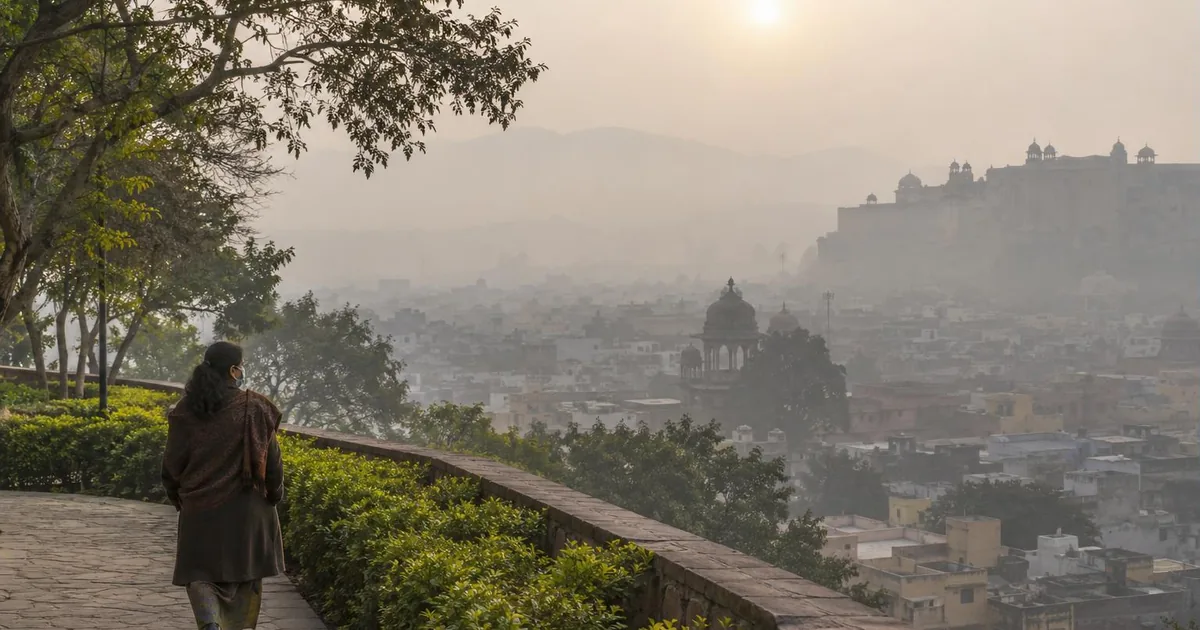
Every winter, many cities in north India, including parts of Rajasthan, see the air turn hazy. Cooler temperatures, calm winds and a layer of cold air near the ground trap dust, vehicle exhaust and smoke close to where we breathe. Poor air quality affects not only the lungs but also the heart and overall health. A few practical steps can reduce your exposure and protect your family.
In winter, a temperature inversion often forms: a layer of warmer air sits above cooler air near the ground and stops pollutants from rising and dispersing. Low wind speed, road dust, construction activity, vehicle emissions, burning of waste and crop residue, and festival fireworks add to the load. Pollution is often highest in the early morning and late evening.
How pollution affects health
Fine particles known as PM2.5 are small enough to enter deep into the lungs and even the bloodstream. Short-term exposure can cause coughing, throat irritation, breathlessness and worsening of asthma and COPD. Long-term exposure is linked to heart disease, stroke, lung infections and reduced lung function in children. People with existing heart or lung conditions often feel the effects first.

Reading the AQI
The National Air Quality Index from the Central Pollution Control Board groups air quality into six categories: Good (0–50), Satisfactory (51–100), Moderate (101–200), Poor (201–300), Very Poor (301–400) and Severe (401–500). You can check local AQI on the CPCB's Sameer app or website. Use it to plan outdoor activities, especially for children, the elderly and people with health conditions.
Practical steps to reduce exposure
- On poor air days, shift walks and exercise indoors or to times when AQI is lower.
- Wear a well-fitting N95 or equivalent mask outdoors when AQI is poor; cloth and surgical masks offer much less protection against fine particles.
- Keep windows closed during peak pollution hours and ventilate when air quality improves.
- Avoid burning incense, mosquito coils, wood or waste indoors.
- Consider an air purifier with a true HEPA filter for the bedroom of vulnerable family members.
- Drink enough water and eat a diet rich in fruits and vegetables.
Protecting children at school and play
Children breathe faster than adults and spend more time outdoors, so they absorb more pollution relative to their size. Parents and schools can check the AQI each morning, move sports and assemblies indoors on poor air days, and keep classrooms ventilated when outdoor air is cleaner. Children with asthma should carry their inhalers and a written action plan, and teachers should know what to do if symptoms flare. Teaching children to recognise breathlessness and tell an adult early is a simple but valuable step.
Who needs extra care
- Children, whose lungs are still developing.
- Older adults.
- Pregnant women.
- People with asthma, COPD, heart disease or diabetes.
- Outdoor workers such as traffic police, drivers and construction workers.
People with asthma or COPD should keep their inhalers handy, follow their action plan and consult a doctor before the season if symptoms usually worsen in winter. Employers with outdoor staff can plan masks, rest breaks and health checks; ATTPL HRMS helps companies run such programmes.
When to see a doctor
See a doctor if you have persistent cough, wheezing, breathlessness on mild exertion, chest tightness or frequent chest infections. Seek urgent care for severe breathlessness, bluish lips, chest pain or confusion. ATTPL Health offers doctor consultations and preventive health check-ups, including lung function testing through partner facilities.
Cleaner air begins with all of us
Individual protection matters, but long-term solutions need cleaner energy, better transport and less burning. Rooftop solar reduces reliance on diesel generators for homes and businesses; ATTPL Solar helps customers in Rajasthan go solar. Health insurance that covers respiratory illness is also worth reviewing; see ATTPL Finance for insurance guidance.
Talk to ATTPL Health
For check-ups, consultations or home care for elderly family members this winter, explore our home healthcare services or contact us.
Frequently asked questions
What AQI level is unsafe?
AQI above 200 is classified as Poor, and above 300 as Very Poor. Sensitive groups should reduce outdoor activity even at Moderate levels if they have symptoms.
Do N95 masks protect against air pollution?
A well-fitting N95 or equivalent mask filters most fine particles. Fit matters; gaps around the nose and cheeks reduce protection.
Should I stop morning walks in winter?
On days with poor air quality, consider walking indoors or later in the day when pollution levels are often lower. Check the AQI before going out.
Sources and further reading
This article is for general awareness only and is not a substitute for medical advice. Please consult a qualified doctor for diagnosis and treatment.