Diagnostics
NABL Accredited Labs: How to Choose a Diagnostic Lab
By ATTPL HEALTHCARE Editorial Team · · 3 min read
What NABL accreditation means for pathology labs, how to verify it, test preparation tips, home sample collection and how to read your lab report wisely.
What NABL accreditation means
Doctors make many treatment decisions based on laboratory reports, from adjusting diabetes medicines to deciding whether surgery is needed. An inaccurate report can lead to wrong treatment or unnecessary worry. Choosing a reliable diagnostic laboratory is therefore an important health decision. In India, NABL accreditation is one of the clearest signs that a lab follows recognised quality standards. This guide explains what it means and what else to check.
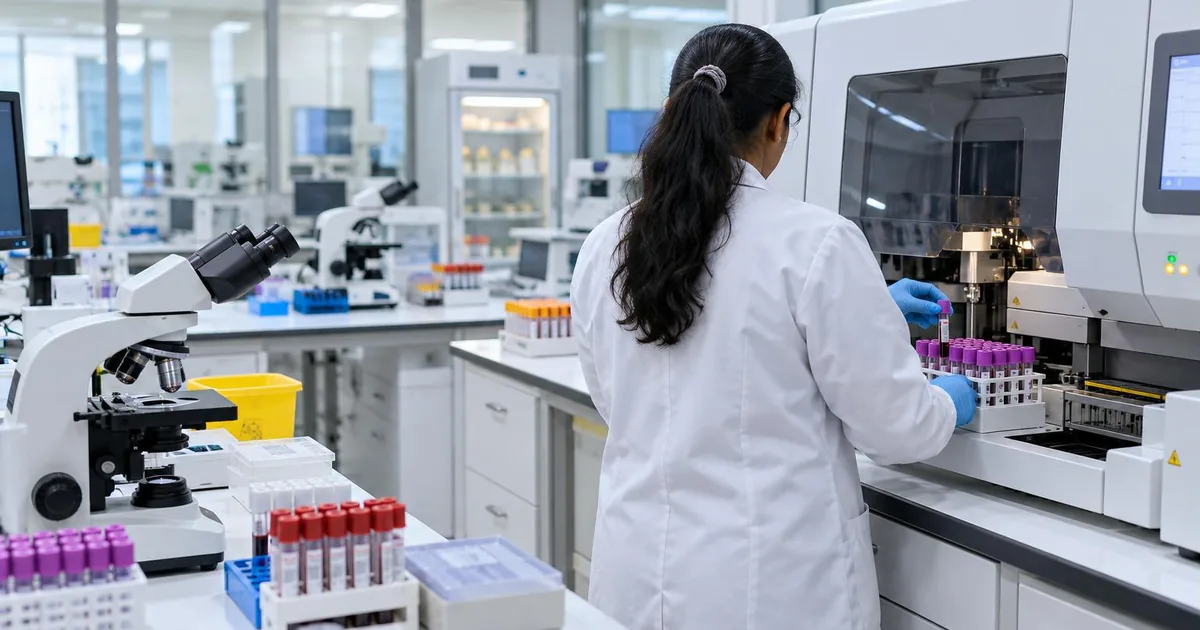
The National Accreditation Board for Testing and Calibration Laboratories (NABL) is a constituent board of the Quality Council of India. It accredits medical laboratories against the international standard ISO 15189, which covers both quality management and technical competence. Accredited labs are assessed by experts, must take part in proficiency testing, calibrate equipment, train staff and keep detailed records, and are reassessed periodically.
Accreditation is test-specific
NABL accreditation applies to a defined scope: specific tests, at a specific location. A lab may be accredited for routine biochemistry but not for a specialised test, or one branch may be accredited while a collection centre simply sends samples elsewhere. Ask which tests are within the accredited scope and where your sample will actually be processed.
How to verify a lab
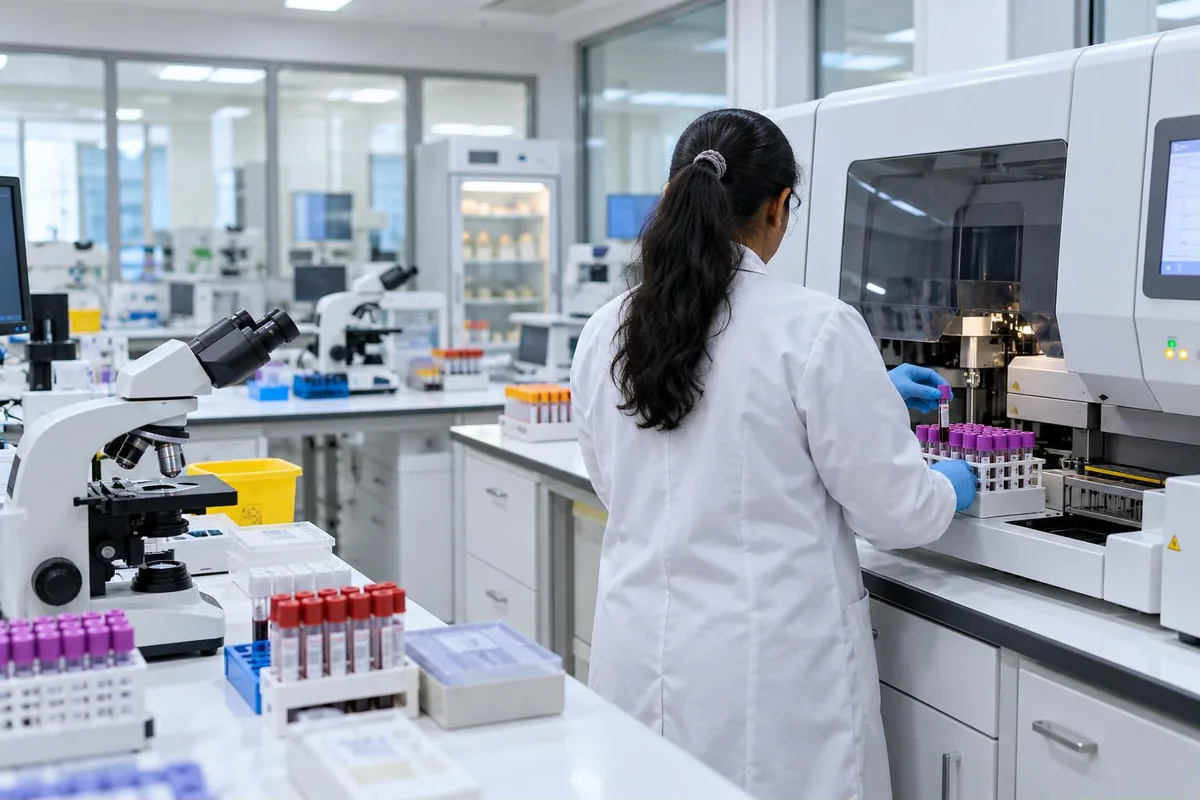
- Ask for the NABL certificate number and check it on the NABL website's directory of accredited labs.
- Confirm that the certificate is current and that your test is within its scope.
- Check that reports carry the lab's name, address, accreditation details and the signature of a qualified pathologist or authorised signatory.
- Look for clear reference ranges and the method used for each test.
Questions to ask before choosing a lab
- Which of my tests are processed in-house and which are sent to another lab?
- How soon will the report be ready, and how will I receive it?
- Will a pathologist review abnormal results before the report is released?
- Whom can I call if I have a question about my report?
- Do you offer repeat testing if a result looks doubtful?
A good laboratory answers these questions clearly and in writing. Hesitation or vague answers are a warning sign, especially for important tests such as hormone levels, cancer markers or tests that will guide surgery.
Preparing for your test
Many errors happen before the sample reaches the lab. Follow preparation instructions carefully:
- Fasting tests such as fasting glucose and lipid profile usually need 8–12 hours without food; water is generally allowed. Ask the lab for exact instructions.
- Tell the lab about medicines and supplements you take; some affect results.
- Avoid heavy exercise and alcohol the day before tests unless told otherwise.
- For urine tests, collect a mid-stream sample in a sterile container.
Home sample collection
Home collection is convenient, especially for elderly patients and busy families. Ask whether the phlebotomist is trained, whether samples are transported in temperature-controlled boxes and how quickly they reach the lab. Delays and poor storage can affect results for some tests. ATTPL Health's diagnostics and laboratory services and home healthcare help families arrange tests at home.
Reading your report wisely
Reference ranges vary between labs and methods, so compare results from the same lab over time where possible. A value slightly outside the range is not always a problem, and a normal value does not always rule out disease. Always discuss reports with your doctor rather than relying on internet searches. For regular screening, our guide on corporate health check-ups explains common test panels.
Cost, insurance and records
Prices vary widely for the same test. Ask for a written estimate and check whether your health insurance covers diagnostic tests, especially in outpatient or wellness benefits. If a claim is refused, our guide on what to do when a health insurance claim is rejected can help. Keep digital copies of all reports linked to your ABHA health ID so that doctors can see your history. For insurance planning, see ATTPL Finance, and employers can track staff health programmes through ATTPL HRMS.
Book tests with ATTPL Health
ATTPL Health connects patients in Jaipur and across Rajasthan with diagnostic labs, doctors and home care. Visit our preventive healthcare page or contact us to book a test or health check-up.
Frequently asked questions
What does NABL accreditation mean for a lab?
It means the lab has been assessed against the ISO 15189 standard for quality and competence for the tests in its accredited scope.
How can I check if a lab is NABL accredited?
Ask for the certificate number and verify it in the accredited laboratories directory on the NABL website, including the scope of tests.
Is water allowed before a fasting blood test?
Usually yes, plain water is allowed. Follow the specific instructions given by your lab or doctor.
Sources and further reading
This article is for general awareness only and is not a substitute for medical advice. Please consult a qualified doctor for diagnosis and treatment.