Preventive Care
Asthma in Winter and Polluted Air: A Practical Guide for Patients and Families
By ATTPL HEALTHCARE Editorial Team · · 2 min read
Why asthma often worsens in winter and on high-pollution days, how to recognise warning signs, use inhalers correctly, follow an action plan and know when to seek urgent care.
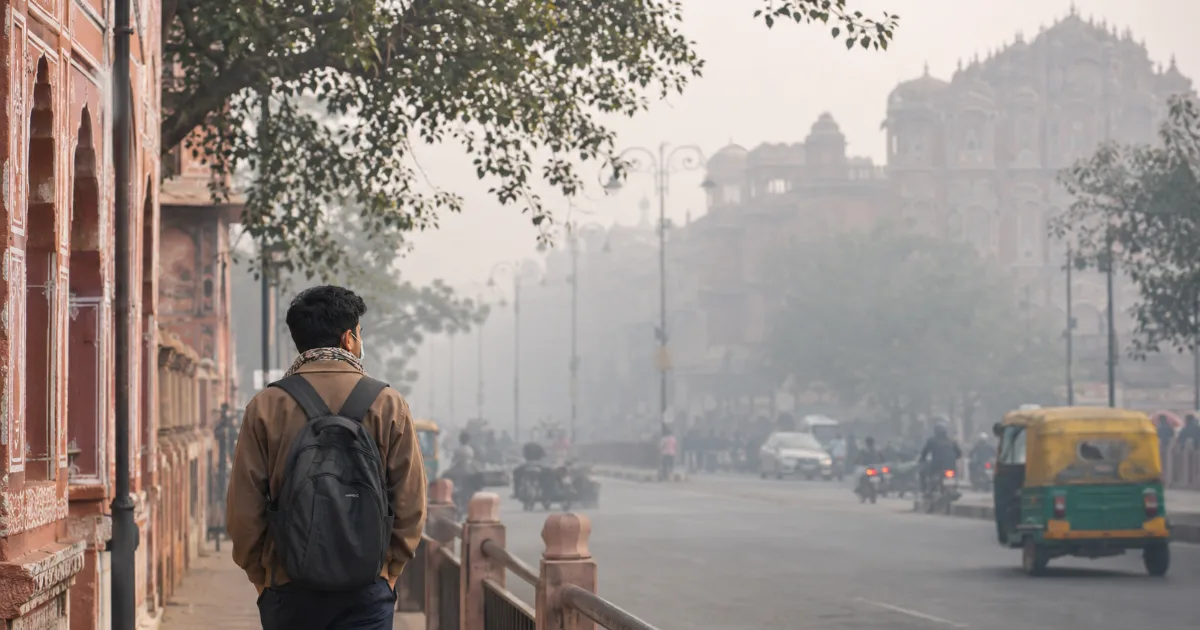
Why winter is harder for asthma
Many people with asthma notice more coughing, wheezing and breathlessness from November to February. Cold, dry air irritates the airways, viral infections spread more easily, and in many Indian cities — including Jaipur on some days — air quality worsens as pollution stays close to the ground. Smoke from burning waste, crop residue and wood fires adds to the burden.
Warning signs not to ignore
- Needing the reliever inhaler more often than usual
- Waking at night with cough or tight chest
- Breathlessness while talking or walking short distances
- Falling peak flow readings
Seek urgent medical care if breathing is very difficult, lips or fingertips look bluish, the person cannot speak in full sentences, or the reliever inhaler does not help.
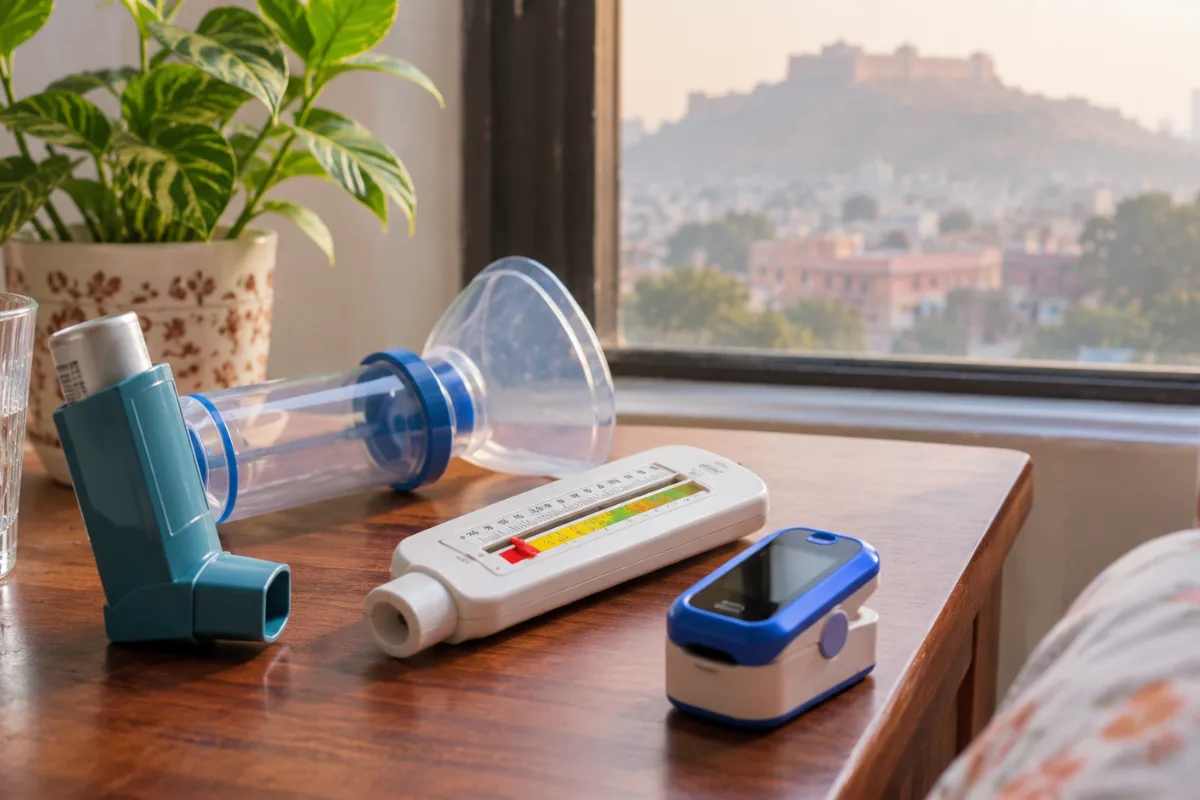
Controller and reliever inhalers
Most patients use two kinds of medicine: a controller that reduces airway inflammation over time, and a reliever for quick symptom relief. Many people stop the controller when they feel well — this often leads to winter flare-ups. Take medicines exactly as prescribed and review them with your doctor before the season changes.
Technique matters as much as the medicine. Using a spacer with a metered-dose inhaler helps more medicine reach the lungs, especially for children and older adults. Ask your doctor or pharmacist to check your technique at every visit.
Protecting yourself on high-pollution days
- Check the Air Quality Index (AQI) daily and plan outdoor activity when it is lower
- Avoid early-morning walks on smoggy days; exercise indoors instead
- A well-fitted N95-type mask can reduce exposure outdoors
- Keep windows closed during peak smog and avoid indoor smoke, incense and mosquito coils
- Do not burn waste or leaves, and avoid second-hand smoke
Have a written asthma action plan
An asthma action plan, prepared with your doctor, tells you what to do in green (stable), yellow (worsening) and red (emergency) zones, based on symptoms or peak flow. Keep a copy at home, at school or work, and share it with family members. Get the annual influenza vaccine and other vaccines your doctor recommends, as respiratory infections are a common trigger.
Care and support
Regular follow-up with a doctor keeps asthma under control and prevents emergency visits. ATTPL Health helps patients find specialist consultations and diagnostic services. Our guide on flu vs common cold explains seasonal infections, and health insurance options are covered by ATTPL Finance.
Frequently asked questions
Why does asthma get worse in winter?
Cold dry air, viral infections and higher air pollution in winter can all irritate the airways and trigger symptoms.
Should I stop my controller inhaler when I feel better?
No. Do not stop or change medicines without talking to your doctor; controllers prevent flare-ups.
Does a mask help people with asthma on polluted days?
A well-fitted N95-type mask can reduce exposure to fine particles outdoors, but it does not replace medicines or avoiding high-pollution exposure.
Sources and further reading
This article is for general awareness and is not a substitute for medical advice. Please consult a qualified doctor for diagnosis and treatment.