Preventive Care
Sleep Better: A Practical Guide to Sleep Hygiene and Insomnia
By ATTPL HEALTHCARE Editorial Team · · 2 min read
How much sleep adults need, simple sleep hygiene habits that work, when poor sleep may be insomnia or sleep apnoea, and when to see a doctor.
Why sleep deserves attention
Good sleep is as important for health as diet and exercise. Regular short or poor-quality sleep is linked with weight gain, high blood pressure, diabetes, low mood, poor concentration and road accidents. Most adults need at least seven hours of sleep a night, though individual needs vary.
Simple sleep hygiene habits
- Keep a fixed wake-up time every day, including weekends
- Get morning daylight and stay physically active during the day
- Avoid tea, coffee and cola in the late afternoon and evening
- Keep heavy meals and alcohol away from bedtime
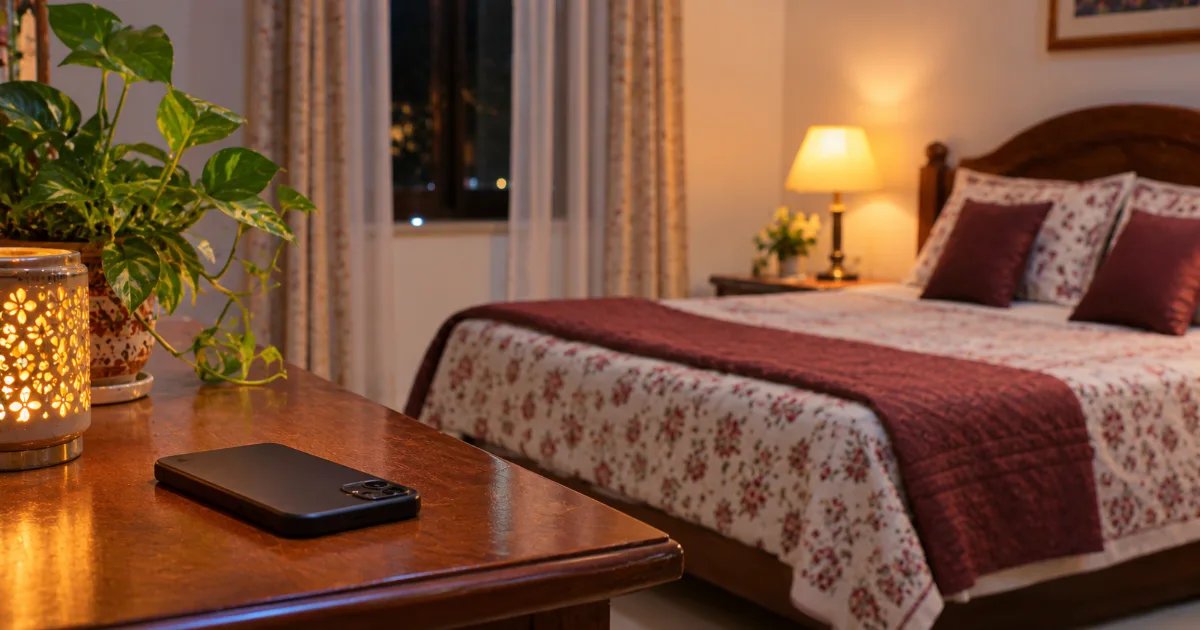
- Switch off screens at least an hour before bed and keep the phone away from the bed
- Keep the bedroom dark, quiet and comfortably cool
- Use the bed only for sleep, not for work or scrolling

When it may be insomnia
Insomnia means difficulty falling asleep, staying asleep or waking too early, at least a few nights a week, with daytime tiredness or poor functioning. Short spells after stress are common. If it lasts for months, see a doctor. Cognitive behavioural therapy for insomnia (CBT-I) is recommended as a first-line treatment for chronic insomnia; sleeping pills should only be taken under medical supervision.
Snoring and sleep apnoea
Loud snoring, choking or gasping at night, morning headaches and daytime sleepiness can be signs of obstructive sleep apnoea, which is common in people with excess weight, diabetes or high blood pressure. It is diagnosed with a sleep study and is treatable. Untreated sleep apnoea raises the risk of heart disease and accidents, so do not ignore it.
Shift workers and sleep
Night and rotating shifts disturb the body clock. Keep the sleep room dark, use the same sleep window on work days, and plan short naps carefully. Employers can help by planning rosters thoughtfully — tools like ATTPL HRMS make shift planning easier.
When to seek help
See a doctor if poor sleep lasts more than a few weeks, affects your work or mood, or if a partner notices breathing pauses at night. ATTPL Health helps you connect with specialists and book sleep-related tests. Read our hearing test guide for another often-ignored health check.
Frequently asked questions
How many hours of sleep does an adult need?
Most adults need at least seven hours of sleep a night for good health.
Are sleeping pills a good solution for insomnia?
Only under medical supervision. CBT-I is recommended as first-line treatment for chronic insomnia.
Is snoring dangerous?
Occasional snoring is common, but loud snoring with gasping or daytime sleepiness may indicate sleep apnoea and should be checked.
Sources and further reading
This article is for general awareness and is not a substitute for medical advice. Please consult a qualified doctor for diagnosis and treatment.