Preventive Care
Dental Check-ups: How Often and What to Expect
By ATTPL HEALTHCARE Editorial Team · · 2 min read
Why regular dental check-ups matter, what happens during a visit, common problems dentists catch early, and daily habits for healthy teeth and gums.
Why dental check-ups matter
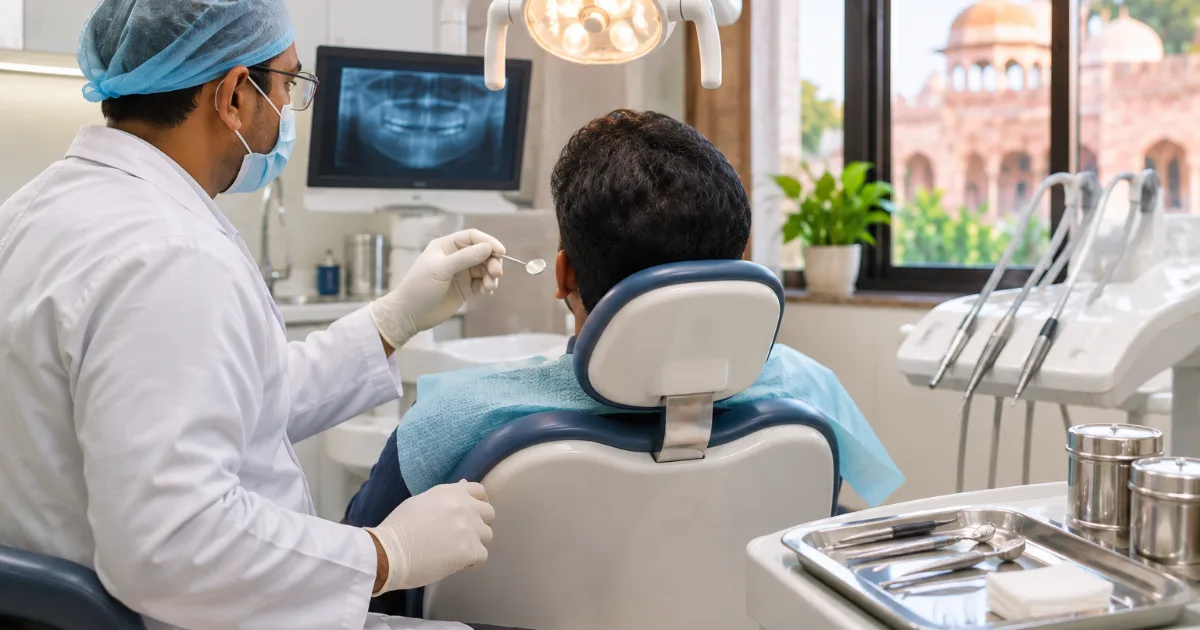
Tooth decay and gum disease are very common and often painless in early stages. Regular check-ups let a dentist find problems early, when treatment is simpler and cheaper. Oral health is also linked with overall health; gum disease, for example, is more common and harder to control in people with diabetes.
How often to go
Many dentists suggest a check-up every six months to a year, but the right interval depends on your teeth, gums and risk factors such as diabetes, smoking or tobacco chewing. Your dentist will advise a schedule for you.
What happens at a check-up
- Medical history: medicines, conditions such as diabetes or heart disease, and any symptoms.
- Examination of teeth, gums, tongue and the inside of the mouth, including screening for suspicious patches.
- X-rays when needed to see decay between teeth or below the gum line.
- Scaling and polishing to remove tartar and stains.
- Advice on brushing, flossing and diet, and a plan for any treatment needed.
Warning signs to report
- Bleeding, swollen or receding gums.
- Tooth sensitivity or pain while chewing.
- Persistent bad breath.
- Loose teeth.
- White or red patches or a non-healing ulcer in the mouth — especially in tobacco users; get this checked promptly.
Daily care
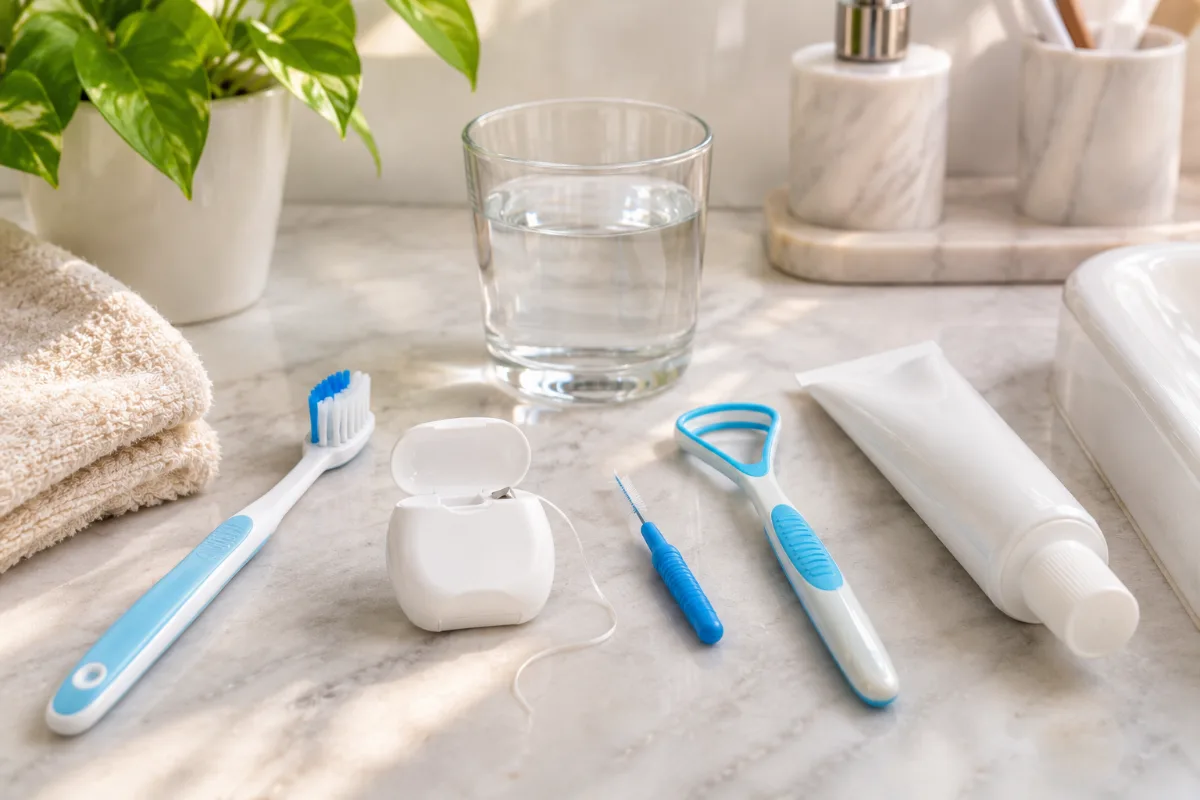
- Brush twice a day with a fluoride toothpaste for about two minutes.
- Clean between teeth with floss or interdental brushes.
- Limit sugary snacks and drinks between meals.
- Avoid tobacco in all forms.
- Replace your toothbrush every three months or sooner if worn.
Include dental visits in your family’s preventive health check-ups; people with diabetes should also read our diabetes check-up guide. Families reviewing health cover can use the family insurance checklist.
Frequently asked questions
Does scaling damage teeth?
Professional scaling done properly does not damage enamel; it removes tartar that brushing cannot.
Are dental X-rays safe?
Dental X-rays use low radiation doses and are taken only when needed; tell the dentist if you are pregnant.
Why do my gums bleed when I brush?
Bleeding gums are often an early sign of gum inflammation; see a dentist for advice.
Sources and further reading
This article is for general awareness only and is not a substitute for medical advice. Consult a doctor for diagnosis and treatment.