Preventive Health
Diabetes Check-ups: Fasting Sugar and HbA1c Explained
By ATTPL HEALTHCARE Editorial Team · · 3 min read
What fasting blood sugar, post-meal sugar and HbA1c tests mean, who should get checked, how to prepare and what to do after your report.
Why regular sugar checks matter
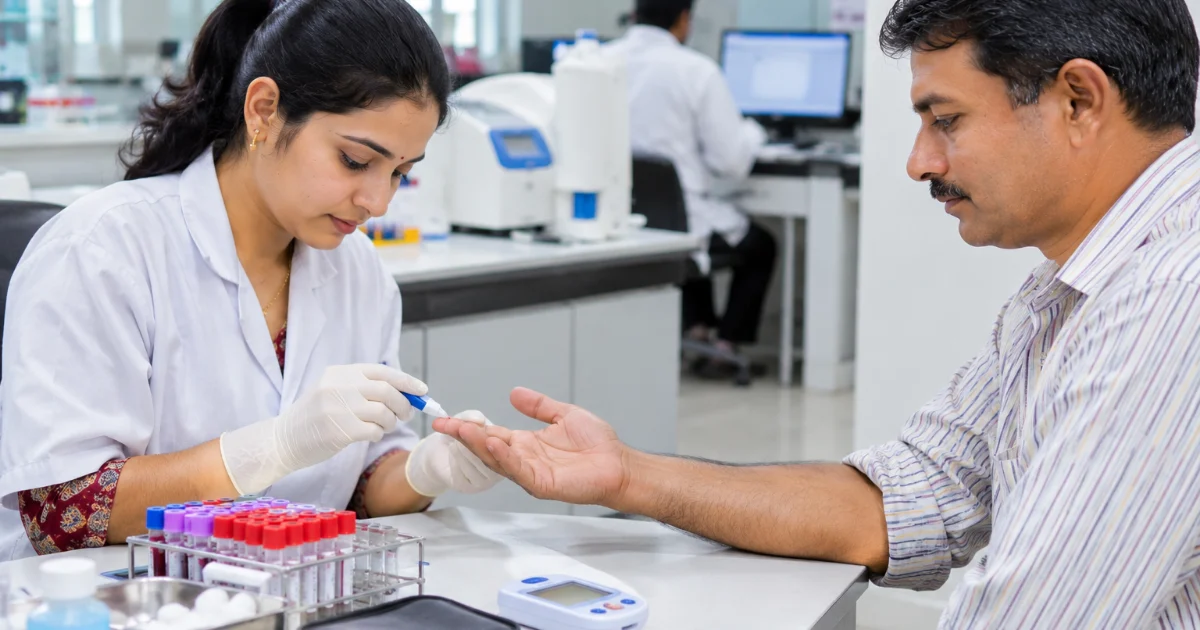
Type 2 diabetes often develops silently. Many people feel completely well for years while high blood sugar slowly affects the eyes, kidneys, nerves, heart and blood vessels. India has a large number of people living with diabetes and prediabetes, and many do not know it. A simple blood test can find the problem early, when lifestyle changes and treatment work best.
This guide explains the common tests in plain language. It is general information; your doctor will interpret your results in the context of your health.
The main tests
- Fasting plasma glucose (FPG): measured after at least 8 hours without food. Commonly used thresholds: below 100 mg/dL is normal, 100–125 mg/dL suggests prediabetes, and 126 mg/dL or more on repeat testing suggests diabetes.
- Post-prandial or oral glucose tolerance test (OGTT): measures sugar two hours after a meal or a measured glucose drink.
- HbA1c: reflects average blood sugar over roughly the past two to three months. Commonly used thresholds: below 5.7% is normal, 5.7–6.4% suggests prediabetes, and 6.5% or more suggests diabetes.
- Random blood sugar: taken at any time; useful when symptoms are present.
A diagnosis is usually confirmed with repeat or combined tests, so one borderline value is a reason to talk to your doctor, not to panic.
Who should get tested
- Adults with a family history of diabetes.
- People who are overweight or carry extra weight around the waist.
- Those with high blood pressure or high cholesterol.
- Women who had diabetes during pregnancy.
- People with symptoms such as excessive thirst, frequent urination, slow-healing wounds or unexplained weight loss.
- Adults above a certain age as part of routine check-ups — see our preventive health check-ups by age.
How to prepare for the test
For a fasting test, avoid food and drinks other than water for the time your lab advises, usually 8 to 12 hours. Take your regular medicines as your doctor instructs. HbA1c does not usually need fasting. Choose a reliable laboratory; our guide on choosing an NABL-accredited lab explains what to look for. You can also learn to check your blood pressure at home correctly, since diabetes and high blood pressure often occur together.
If your result is in the prediabetes range
Prediabetes is a warning sign, and often an opportunity. Studies show that weight loss, regular physical activity and healthier eating can delay or prevent progression to diabetes in many people.
- Aim for regular moderate activity such as brisk walking, as advised by your doctor.
- Reduce sugary drinks, sweets and refined flour; add more vegetables, pulses and whole grains.
- Get enough sleep and manage stress.
- Repeat tests at the interval your doctor suggests.
Common mistakes with sugar testing
Small errors can make results misleading. Eating a light snack or drinking tea with sugar before a fasting test raises the reading. Testing right after an illness, a sleepless night or a festive week can also affect results. On the other hand, some people avoid testing for years because they feel healthy, which is exactly when early detection helps most.
- Follow fasting instructions exactly and note the time of your last meal.
- Tell the lab and your doctor about all medicines you take.
- Do not stop or change prescribed medicines on your own after one reading.
- Use home glucometers for monitoring only as advised; confirm diagnosis with laboratory tests.
- Keep all reports together so trends are easy to see.
If you are diagnosed with diabetes
Work with your doctor on a treatment plan, which may include lifestyle changes and medicines. Regular check-ups for eyes, kidneys, feet, cholesterol and blood pressure help prevent complications. Keep a record of your readings and reports; digital records make this easier, as explained in our article on ABHA digital health records.
Employers can include sugar testing in staff wellness programmes; read about corporate health check-ups. Long-term care costs are easier with the right health cover — ATTPL Finance can explain insurance options. To book a check-up or consultation, contact ATTPL Healthcare.
Frequently asked questions
What is a normal HbA1c level?
Commonly used thresholds are below 5.7% for normal, 5.7–6.4% for prediabetes and 6.5% or above for diabetes. Your doctor will interpret your result.
Do I need to fast for an HbA1c test?
Usually not. Fasting is needed for the fasting blood sugar test, typically 8 to 12 hours.
Can prediabetes be reversed?
In many people, weight loss, regular activity and healthier eating can bring blood sugar back to normal or delay diabetes. Follow your doctor's advice.
Sources and further reading
This article is for general awareness and is not medical advice. Consult a qualified doctor for diagnosis and treatment.