Preventive Health
Adult Vaccination in India: What to Discuss With Your Doctor
By ATTPL HEALTHCARE Editorial Team · · 3 min read
Vaccines are not only for children. A simple guide to adult vaccines commonly discussed in India — flu, tetanus, hepatitis B, pneumococcal and more.
Why adults need vaccines too
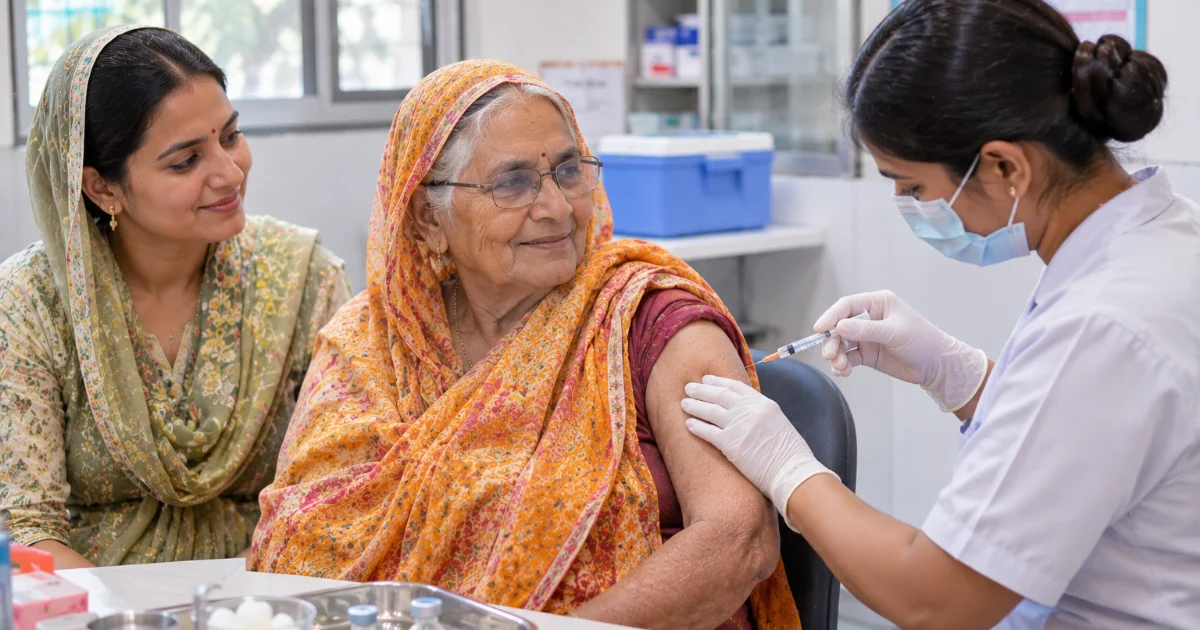
Most people think of vaccines as something for babies and school children. But protection from some childhood vaccines fades, new risks appear with age, travel, work or pregnancy, and some infections are more serious in older adults or people with diabetes, heart, lung or kidney disease. Adult vaccination is a simple, often overlooked part of preventive health.
The right vaccines depend on your age, health, job and travel plans. Use this guide to start a conversation with your doctor, not as a personal prescription.
Vaccines commonly discussed for adults
- Influenza (flu): many doctors advise a yearly flu shot, especially for older adults, pregnant women, health workers and people with chronic illness.
- Tetanus and diphtheria (Td or Tdap): a booster is generally advised at regular intervals and after certain injuries.
- Hepatitis B: for adults who were not vaccinated earlier, health workers and others at risk.
- Pneumococcal vaccines: often recommended for older adults and people with certain chronic conditions to protect against serious pneumonia.
- HPV: helps prevent cervical and other cancers; age eligibility and schedule should be discussed with your doctor.
- Typhoid, hepatitis A and others: may be advised based on risk and travel.
Special situations
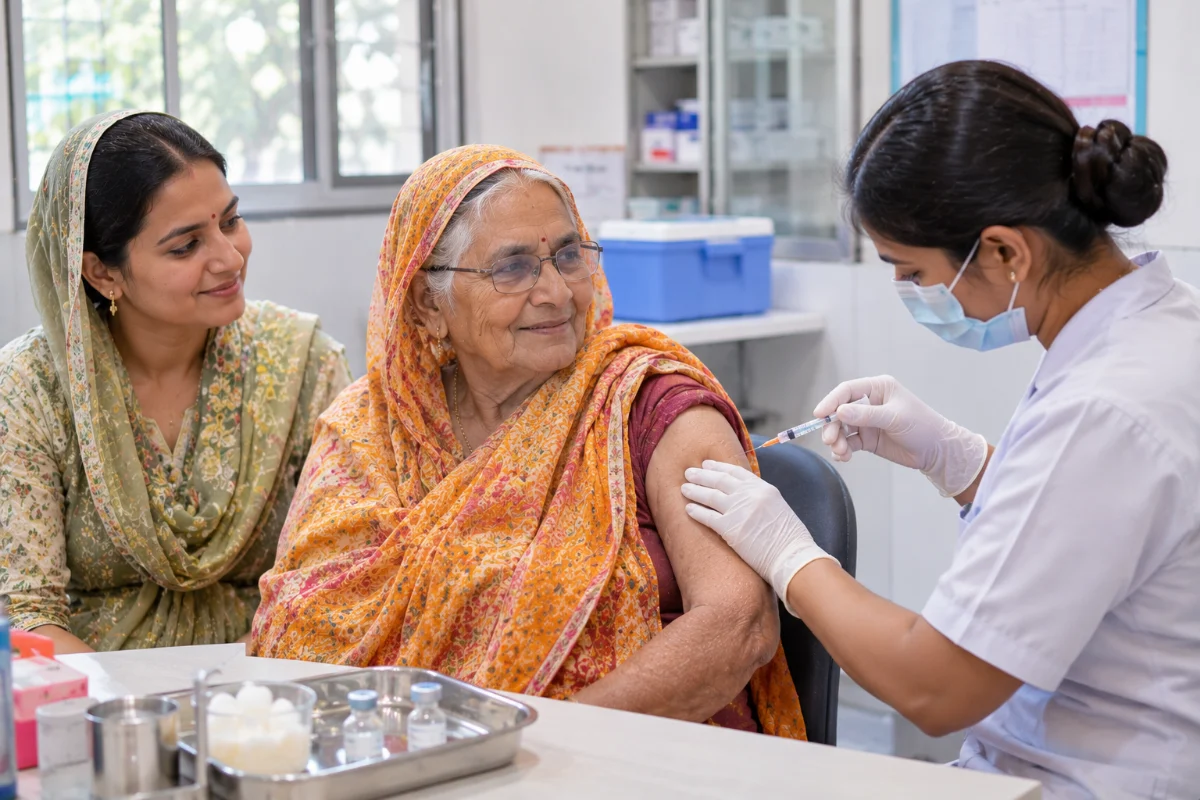
- Pregnancy: some vaccines are recommended during pregnancy to protect mother and baby, while others are avoided; follow your obstetrician's advice.
- Diabetes and chronic illness: higher risk from flu and pneumonia makes vaccination especially important; see our diabetes check-up guide.
- International travel: some destinations require or recommend specific vaccines; plan well in advance — our treatment trip checklist covers travel health for patients coming to India.
- Health workers and caregivers: extra vaccines may be needed to protect themselves and patients.
Keep a vaccination record
Many adults do not know which vaccines they have received. Keep a simple record — paper or digital — of each vaccine, date and batch. Digital health records linked to ABHA can help; see our article on digital health records. Bring the record to your annual check-up so your doctor can plan boosters.
Safety and side effects
Vaccines approved for use in India go through safety checks. Mild side effects such as a sore arm, mild fever or tiredness are common and pass quickly. Tell your doctor about allergies, pregnancy, immune problems or reactions to earlier vaccines. Serious reactions are rare, and clinics are prepared to handle them.
Questions to ask your doctor
Before your next check-up, write down a few questions so the conversation is quick and useful:
- Which vaccines do I need at my age and with my health conditions?
- Are any boosters due based on my earlier vaccinations?
- Should I get any vaccines before planned travel, pregnancy or surgery?
- Can I take more than one vaccine on the same day?
- Which side effects should I watch for, and when should I call you?
Taking a family approach also helps. When parents, grandparents and adult children plan vaccines together, it is easier to keep records up to date and to protect vulnerable members such as newborns and elderly relatives from infections that adults may carry without serious illness.
Make it part of routine care
Add vaccination to your yearly preventive health check-up, and encourage elderly parents to do the same; our guide to home healthcare and elder care has more ideas for families. Employers can include flu vaccination in wellness drives; health cover from ATTPL Finance may support preventive care in some policies. To plan adult vaccination, contact ATTPL Healthcare.
Frequently asked questions
Do adults really need vaccines?
Yes. Some protection fades and new risks appear with age, health conditions, pregnancy, work or travel. Ask your doctor which vaccines you need.
Is the flu vaccine needed every year?
Flu viruses change, so many doctors advise a yearly flu vaccine, especially for high-risk groups.
Where can adults get vaccinated?
Hospitals, clinics and some pharmacies offer adult vaccines. Your doctor can advise and keep a record.
Sources and further reading
This article is for general awareness and is not medical advice. Vaccine needs differ by person; consult a qualified doctor.