Emergency Care
Heart Attack Warning Signs and What to Do Immediately
By ATTPL HEALTHCARE Editorial Team · · 3 min read
Recognise heart attack warning signs, including less obvious symptoms in women and diabetics, and the first steps to take while getting emergency care.
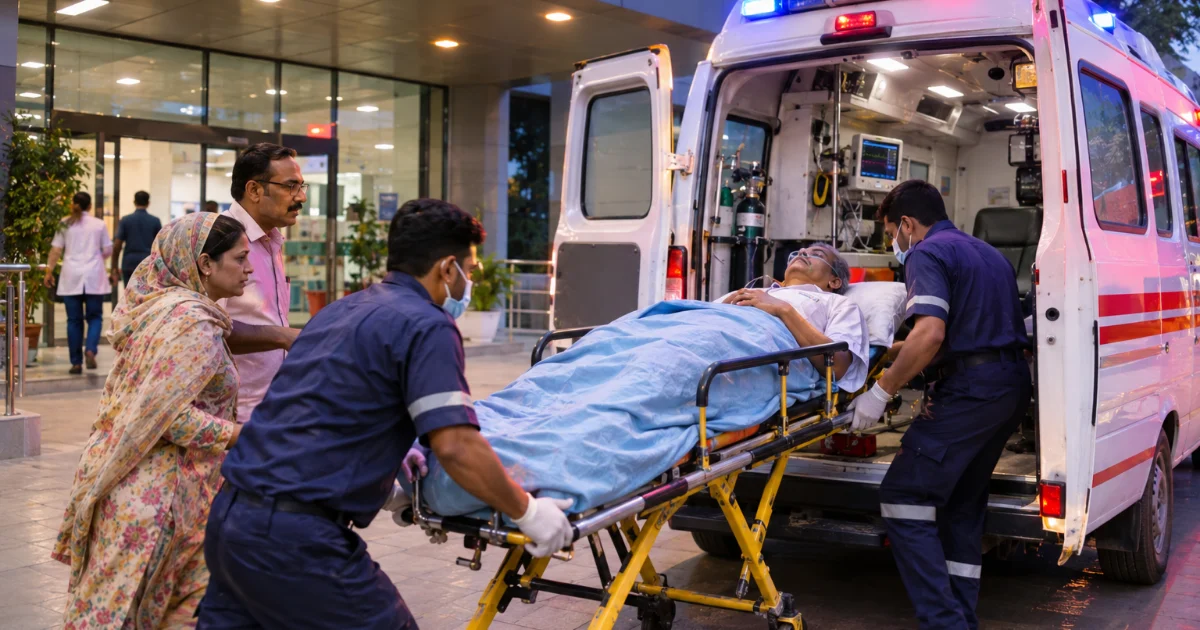
Every minute counts
A heart attack happens when blood flow to part of the heart muscle is blocked. The longer the blockage lasts, the more heart muscle is damaged. Modern treatments can open blocked arteries and save lives, but they work best when started early. Knowing the warning signs and acting quickly is one of the most useful things any family can learn.
This article is general awareness. In an emergency, call for help first and follow the instructions of emergency services and doctors.
Common warning signs
- Pain, pressure, tightness or heaviness in the centre of the chest, lasting more than a few minutes or coming and going.
- Pain spreading to the arm (often the left), shoulder, neck, jaw or back.
- Shortness of breath, with or without chest discomfort.
- Cold sweat, nausea or vomiting.
- Light-headedness or sudden unusual tiredness.
Symptoms that are easy to miss
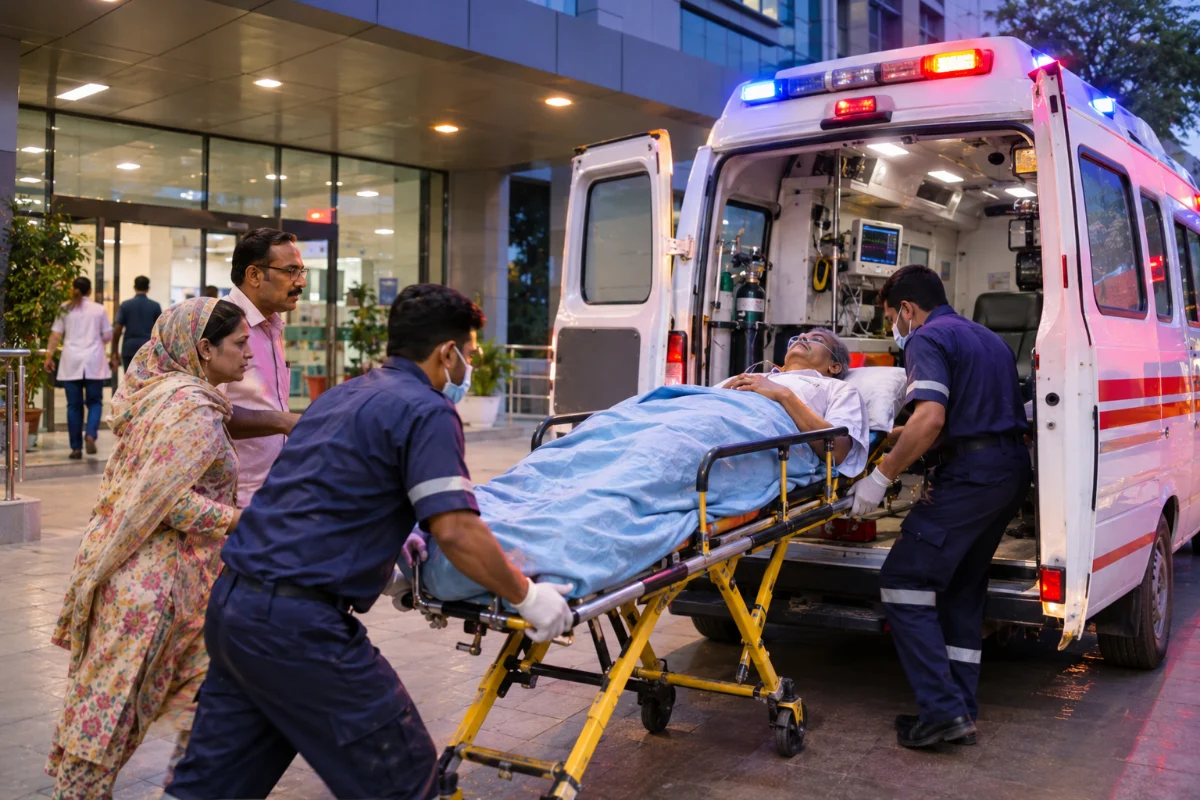
Women, older adults and people with diabetes may have less typical symptoms: breathlessness, discomfort in the upper abdomen that feels like acidity, unusual fatigue or back and jaw pain without strong chest pain. Many people dismiss these as gas or tiredness and lose precious time. If something feels unusual and serious, treat it as an emergency.
What to do immediately
- Call an ambulance through 108 or the emergency number 112, or go to the nearest hospital with emergency and cardiac facilities without delay.
- Do not drive yourself if you have symptoms.
- Help the person sit and rest in a comfortable position; loosen tight clothing.
- Take aspirin only if a doctor or the emergency operator advises it and the person is not allergic.
- If the person becomes unresponsive and is not breathing normally, start CPR if you are trained, and ask others to find an AED if available.
Our guide to first aid and the golden hour after road accidents explains the same principle: early action saves lives.
At the hospital
Doctors will do an ECG and blood tests quickly and decide on treatment such as clot-dissolving medicines or angioplasty. Choosing a hospital with round-the-clock emergency and cardiac care matters; read how to choose a hospital. Keep health insurance details handy; our cashless hospitalisation checklist helps families prepare.
Prepare your family in advance
Emergencies are confusing. A little preparation helps families act calmly and quickly when every minute counts.
- Save emergency numbers and the nearest cardiac-capable hospital in every family member's phone.
- Keep a list of medicines, allergies and past illnesses for older family members in an easy-to-find place.
- Learn CPR through a certified course; many hospitals and organisations run short training sessions.
- Keep health insurance cards and ID documents together.
- Discuss with elderly parents what symptoms should make them call for help immediately rather than wait.
Workplaces can also train staff in basic life support and keep an AED where feasible. These steps cost little and can make the difference between life and death.
Reducing your risk
- Control blood pressure, blood sugar and cholesterol with regular check-ups.
- Stop smoking and tobacco use.
- Stay physically active and maintain a healthy weight.
- Eat more vegetables, fruits and whole grains and less salt, fried food and sugar.
- Know your family history and share it with your doctor.
Regular preventive health check-ups help find risk factors early. For health cover planning, see ATTPL Finance insurance. For guidance on cardiac check-ups or hospitals, contact ATTPL Healthcare.
Frequently asked questions
Can a heart attack happen without chest pain?
Yes. Some people, especially women, older adults and people with diabetes, may have breathlessness, fatigue or upper abdominal discomfort instead of strong chest pain.
Which number should I call in an emergency in India?
You can call 108 for ambulance services in many states or the national emergency number 112.
Should I take aspirin during chest pain?
Only if a doctor or emergency operator advises it and there is no allergy or other reason to avoid it.
Sources and further reading
This article is for general awareness and is not medical advice. In an emergency, contact emergency services immediately.