Diagnostics
Lipid Profile Test Explained: Cholesterol Made Simple
By ATTPL HEALTHCARE Editorial Team · · 4 min read
What a lipid profile test checks, LDL, HDL and triglycerides explained, how to prepare, who should test and how to discuss results with a doctor.
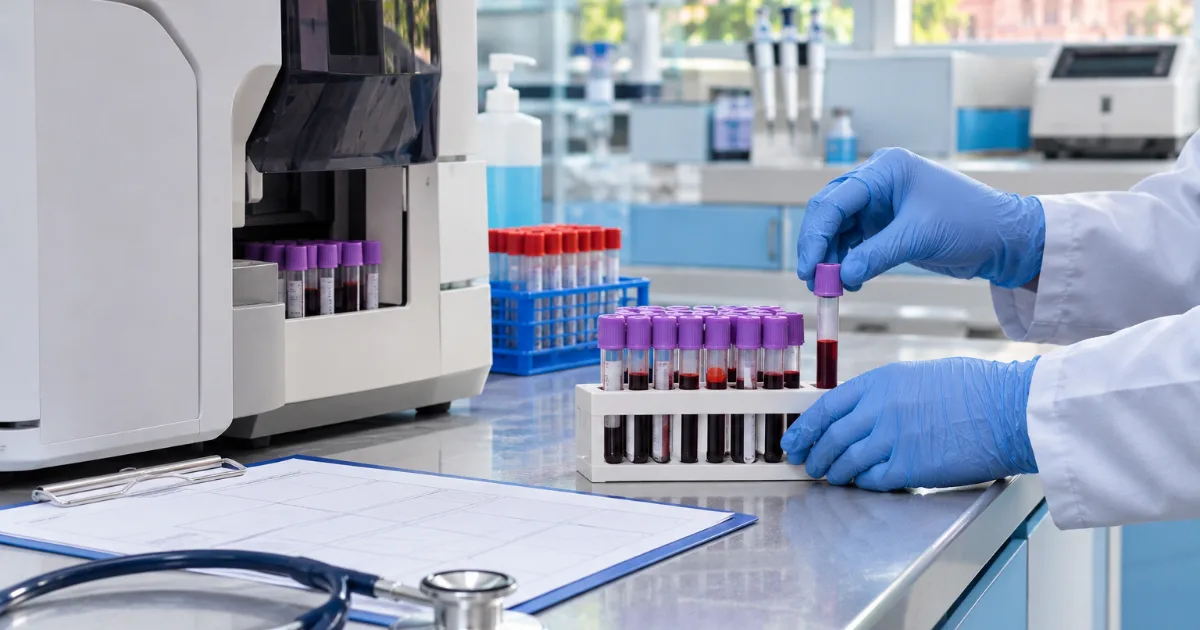
What Is a Lipid Profile Test?
High cholesterol usually causes no symptoms, yet it is one of the factors doctors watch closely for heart and blood vessel health. A lipid profile test is a simple blood test that measures different types of fats in your blood. Many people in Jaipur get the report as part of a health check-up and then struggle to understand the terms on it. This guide explains what a lipid profile includes, who may need it, how to prepare and how to talk to your doctor about the results.
A lipid profile, sometimes called a lipid panel or cholesterol test, measures fats (lipids) in the blood. Cholesterol is needed by the body to build cells and make hormones, but too much of certain types can build up in artery walls over time.
The test helps your doctor understand part of your heart health risk. It is usually read together with blood pressure, blood sugar, weight, smoking status and family history.
What the Lipid Profile Measures: LDL, HDL and Triglycerides
- Total cholesterol: the overall amount of cholesterol in the blood.
- LDL cholesterol: often called 'bad' cholesterol, because higher levels are linked to plaque build-up.
- HDL cholesterol: often called 'good' cholesterol, because it helps carry cholesterol away from arteries.
- Triglycerides: a type of fat linked to diet, weight, alcohol and blood sugar control.
- VLDL and ratios: some labs also report VLDL, non-HDL cholesterol or ratios such as total cholesterol to HDL.
Each lab prints its own reference ranges, and these vary by lab, method and guidelines. Doctors also set personal targets based on your overall risk, so the 'right' number for one person may differ from another.
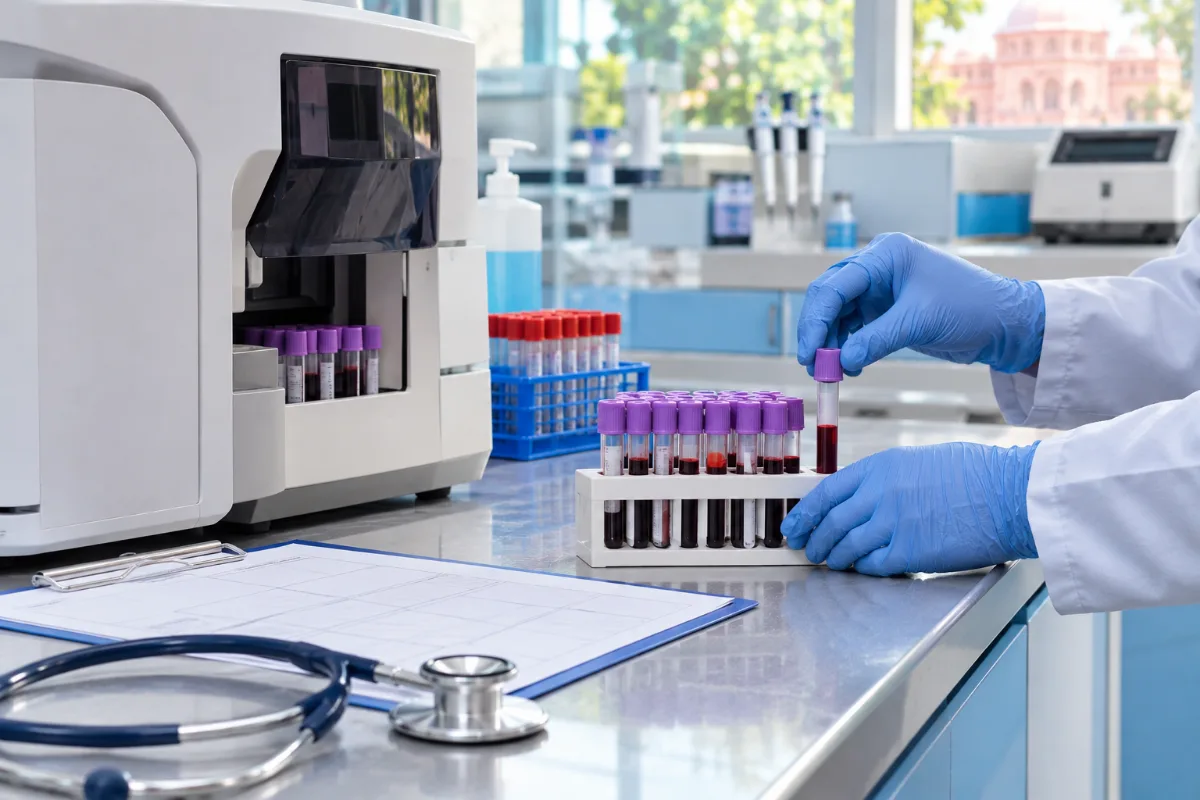
Who Should Get a Cholesterol Test?
Doctors often recommend a lipid profile as part of routine adult check-ups, and more often for people with risk factors such as:
- Diabetes or high blood pressure
- A family history of early heart disease or high cholesterol
- Smoking or tobacco use
- Overweight, low physical activity or a desk-bound job
- Previous abnormal lipid results or ongoing treatment
Our guide to preventive health check-ups by age explains how often common tests are usually considered. Many workplaces also run check-up camps; HR teams using ATTPL WorkforceOS HR features can keep employee wellness programmes organised.
How to Prepare for a Lipid Profile Test
Some labs and doctors ask for overnight fasting before a lipid profile, while others accept non-fasting samples. Instructions differ, so always follow what your doctor or lab says.
- Confirm fasting instructions when you book.
- Drink plain water unless told otherwise.
- Avoid alcohol and very heavy, oily meals the day before, if advised.
- Tell the doctor about medicines and supplements you take.
- Keep earlier reports for comparison.
You can book through ATTPL Healthcare diagnostics, which supports test booking and sample collection.
Discussing Your Lipid Profile Results with a Doctor
A single report is a snapshot. Your doctor will look at the full picture, possibly repeat the test, and suggest lifestyle steps or treatment if needed. Please do not start, stop or change cholesterol medicines on your own.
Questions you may ask include: what my overall heart risk is, which number matters most for me, what lifestyle changes would help, and when I should test again.
It also helps to share your family history openly. If parents or siblings had heart problems or high cholesterol at a young age, your doctor may want to test other family members too and may plan closer follow-up for you.
Everyday Habits for Healthy Cholesterol
- Choose more vegetables, fruits, whole grains, pulses and nuts, as suits your health.
- Limit deep-fried snacks, sweets and foods high in saturated fat.
- Stay active; regular walking is a simple start.
- Avoid tobacco and limit alcohol.
- Keep weight, blood pressure and blood sugar under regular review.
Fresh produce is easier to include when it is accessible; the ATTPL agri marketplace connects farmers and buyers for farm produce. Long-term care also has costs, and reading about health insurance options can help you plan; check policy terms for check-up and diagnostic cover.
Get Your Cholesterol Checked with ATTPL Healthcare
If you have not had a lipid profile recently, or you want help understanding an old report, book a consultation with ATTPL Healthcare. Our team can help you arrange the test and connect with a doctor for advice.
Key takeaway: A lipid profile test measures LDL, HDL, total cholesterol and triglycerides to help assess heart health. Ranges vary by lab, so always review results and any treatment with your doctor.
Frequently asked questions
Is fasting required for a lipid profile test?
It depends on your doctor and lab. Some ask for overnight fasting, others accept non-fasting samples. Follow the instructions you are given when booking.
What is a good cholesterol level?
Reference ranges vary by lab, and doctors set targets based on your overall heart risk. Discuss your numbers with your doctor rather than comparing with others.
How often should I get a lipid profile?
This depends on your age, risk factors and past results. Your doctor can recommend a testing interval that suits you.
Sources and further reading
This article is for general education only and is not medical advice. It does not replace diagnosis or treatment by a qualified doctor. Please consult your doctor about your test results and any treatment.