Diagnostics
Vitamin D and B12 Deficiency Tests: A Simple Guide
By ATTPL HEALTHCARE Editorial Team · · 4 min read
Learn when doctors suggest vitamin D and B12 deficiency tests, common symptoms, how to prepare, what reports mean and why follow-up matters.
Why Vitamin D and B12 Matter
See also: Winter Joint Pain and Arthritis: Practical Care Tips
Tiredness, body aches, tingling in the hands or feet and low energy are complaints many people in Jaipur and across India mention to their doctor. Sometimes the cause is a shortage of vitamin D or vitamin B12. Both can be checked with simple blood tests. This guide explains what these vitamins do, who may be advised to get tested, how to prepare, how to read your report in general terms and why the next step should always be a conversation with your doctor rather than self-treatment.
Vitamin D helps the body absorb calcium and supports bone and muscle health. The skin makes vitamin D in sunlight, and a small amount comes from food. Vitamin B12 is needed to make healthy red blood cells and to keep nerves working well. It comes mainly from animal-source foods such as milk, curd, paneer, eggs, fish and meat.
Even in a sunny state like Rajasthan, vitamin D deficiency is commonly discussed by doctors, because many people spend most of the day indoors or cover the skin. People who follow a strict vegetarian or vegan diet may have lower B12 intake.
Common Signs of Vitamin D and B12 Deficiency
Symptoms are often vague and can overlap with many other conditions, which is why testing and a doctor's opinion help.
- Persistent tiredness or weakness
- Bone pain, back pain or muscle cramps
- Tingling, numbness or a pins-and-needles feeling
- Pale skin, breathlessness on exertion or a sore tongue
- Poor concentration or low mood
Having one or more of these does not mean you have a deficiency. Only proper evaluation can tell.

Who May Be Advised a Vitamin Deficiency Blood Test
Doctors may suggest these tests based on your symptoms, age and health history. Groups who are often considered include:
- Office workers and others who get little sunlight
- Older adults and post-menopausal women
- Pregnant or breastfeeding women, as advised by their doctor
- People on long-term medicines that may affect absorption
- Strict vegetarians and vegans
- People with digestive conditions that affect absorption
Many employers now include vitamin tests in wellness programmes; HR teams that track staff wellness and leave digitally may find this guide on digital attendance and leave management helpful when planning check-up days. Our preventive health check-ups by age article explains where these tests fit in a routine check-up.
How the Vitamin D Test and Vitamin B12 Test Are Done
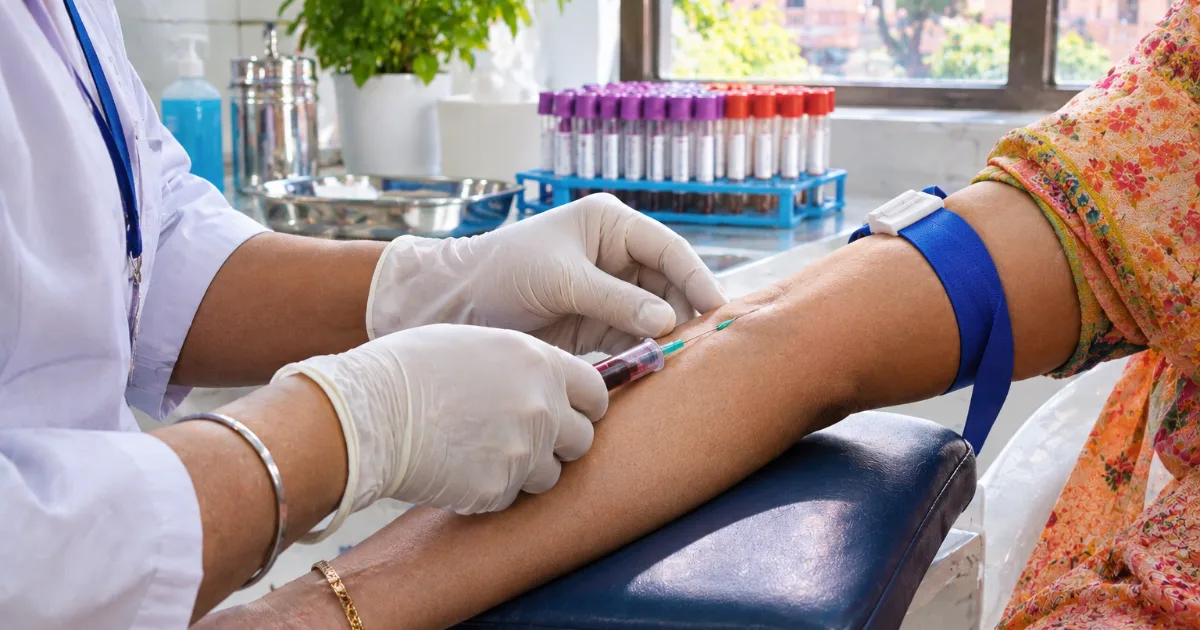
Both are routine blood tests. A trained phlebotomist draws a small sample from a vein in the arm. The vitamin D test commonly measures 25-hydroxy vitamin D, and the B12 test measures the level of B12 in the blood. Your doctor may add tests such as a complete blood count, folate or others depending on the situation.
- Ask the lab whether fasting is needed; requirements can differ.
- Tell the doctor and lab about any supplements or medicines you take.
- Carry previous reports so trends can be compared.
- Choose a quality-assured lab; our guide on how to choose an NABL-accredited diagnostic lab can help.
ATTPL Healthcare offers diagnostic test booking and sample collection to make the process easier.
Understanding Your Vitamin Test Report
Your report will show your result next to the lab's reference range. Reference ranges vary by lab, testing method and guidelines, so the same number may be labelled differently in two reports. Results are usually described as deficient, insufficient or sufficient, but only your doctor can interpret them along with your symptoms and other tests.
Please do not start high-strength supplements or injections on your own based on a report. Excess vitamin D, for example, can cause harm. Your doctor will decide whether treatment is needed, what kind, and when to retest.
Everyday Habits That Support Healthy Vitamin Levels
- Spend some time outdoors in daylight, as your doctor advises for your skin type and health.
- Include dairy, eggs or other B12 sources if they suit your diet.
- Ask your doctor about fortified foods if you are vegetarian or vegan.
- Stay active and keep regular follow-ups if you have a known deficiency.
Planning for test costs is part of preventive care too. Reading about health and family insurance options can help you understand what different policies may cover; check the policy wording for diagnostic benefits.
Book a Vitamin D and B12 Test with ATTPL Healthcare
ATTPL Healthcare is part of the wider ATTPL group ecosystem, which brings healthcare, agriculture, logistics and other services together. If you have symptoms or your doctor has suggested vitamin tests, book a consultation with ATTPL Healthcare and our team can guide you on tests and next steps.
Key takeaway: Vitamin D and B12 deficiency tests are simple blood tests that help explain common symptoms like tiredness and tingling. Always interpret results and start any treatment only with your doctor's guidance.
Frequently asked questions
Do I need to fast for a vitamin D or B12 test?
Fasting requirements can differ between labs and depend on other tests ordered at the same time. Ask the lab or your doctor before your appointment.
What is a normal vitamin D level?
Reference ranges vary by lab and method, so check the range printed on your report and discuss your result with your doctor.
Can I take supplements without a test?
It is safer to consult a doctor first. Some vitamins can be harmful in excess, and symptoms may have other causes that need attention.
Sources and further reading
This article is for general education only and is not medical advice. It does not replace diagnosis or treatment by a qualified doctor. Please consult your doctor about symptoms, tests, results and any treatment.