Seasonal Health
Carbon Monoxide Poisoning from Angithi and Heaters: How to Stay Safe This Winter
By ATTPL HEALTHCARE Editorial Team · · 2 min read
Why burning coal, wood or charcoal in a closed room can be deadly, the symptoms of carbon monoxide poisoning, first aid, and safe ways to heat homes, shops and vehicles in winter.
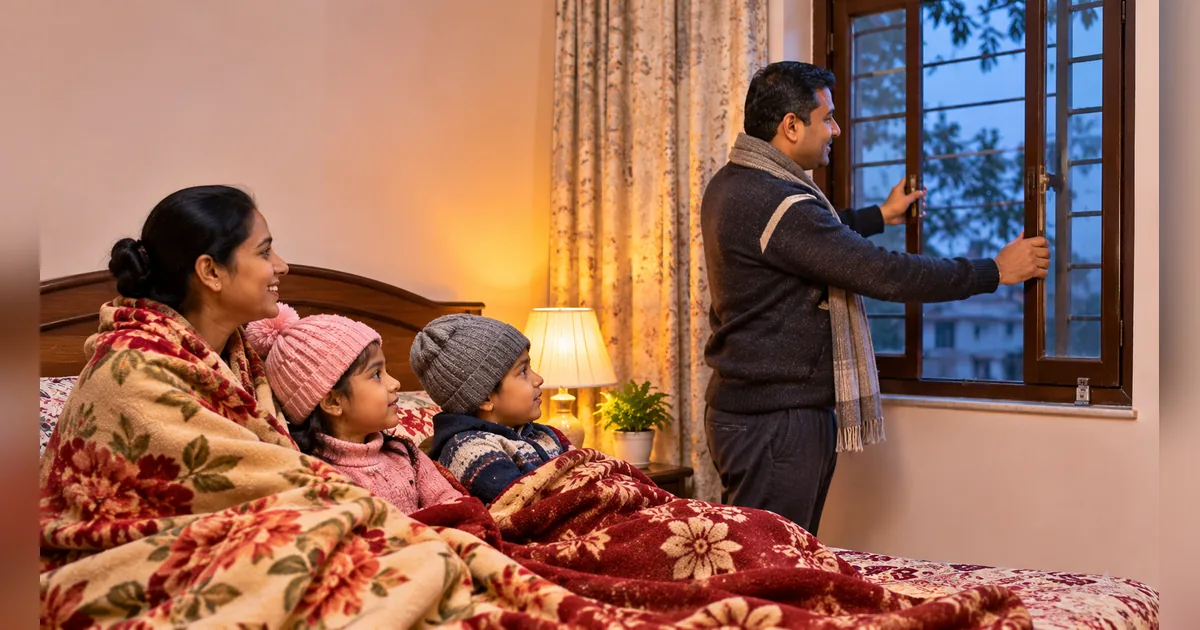
What carbon monoxide does
Every winter there are reports from across North India of families found unconscious after sleeping with a coal angithi or charcoal stove burning in a closed room. The cause is usually carbon monoxide, a gas that has no colour or smell. Because it gives no warning, the only real protection is knowing the risk and preventing it.
Carbon monoxide is produced when coal, wood, charcoal, kerosene, petrol or gas burns without enough air. When breathed in, it takes the place of oxygen in the blood, so the brain and heart do not get enough oxygen. People who are asleep may never wake up to notice the symptoms. Children, pregnant women, older people and those with heart or lung disease are affected faster.
Symptoms to recognise
- Headache, dizziness and weakness
- Nausea or vomiting
- Confusion, drowsiness or blurred vision
- Shortness of breath or chest pain
- Several people or pets in the same room feeling unwell at the same time
These symptoms can be mistaken for flu, but flu does not usually affect everyone in a room at once or improve quickly in fresh air. Our flu vs common cold guide explains typical infection symptoms.
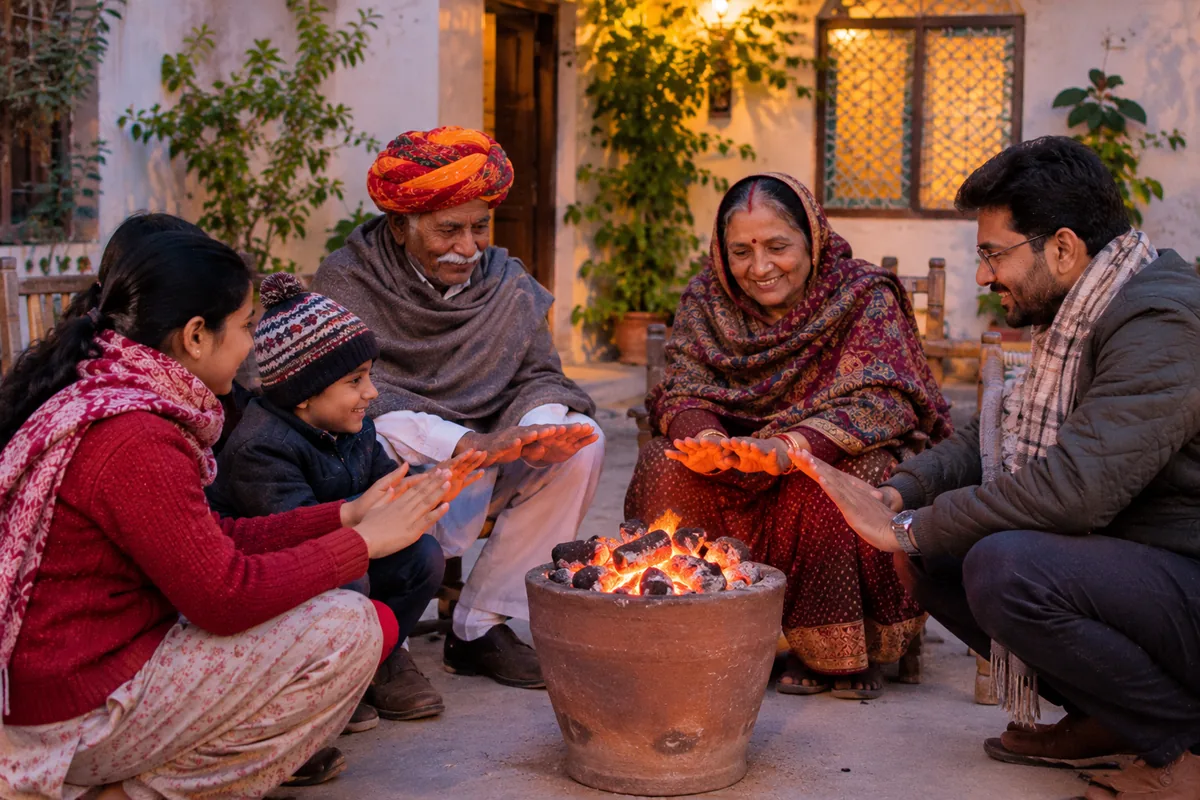
Common risky situations
- An angithi, sigri or bukhari burning in a closed bedroom overnight
- Charcoal or wood fires in shops, guard rooms or construction site rooms with doors shut
- Gas geysers fitted inside small bathrooms without proper ventilation
- Running a generator indoors or close to open windows
- Sitting in a parked car with the engine and heater on and windows fully closed
The danger often comes from habits that seem harmless: closing every gap in a room to keep the cold out, or bringing a fire indoors for just a short while before sleeping. Shops and night-duty rooms are a particular concern because workers may be alone, with no one to notice that something is wrong.
First aid: act fast
If you suspect carbon monoxide poisoning, open doors and windows and move everyone into fresh air at once. Do not stay in the room to put out the fire. Call emergency services and get the person to a hospital, even if they seem to recover, because oxygen treatment may be needed. If the person is not breathing, start CPR if you are trained. Basic first aid principles are also covered in our golden hour first aid guide.
Safer ways to keep warm
- Never sleep with a coal, wood or charcoal fire burning in the room; put it out and remove it before sleeping
- If you must use one while awake, keep a window or ventilator open
- Prefer electric heaters with safety cut-off, used away from bedding and curtains
- Get gas geysers installed with proper ventilation, ideally outside the bathroom
- Use warm clothing, blankets and hot water bottles for warmth at night
Smoke from indoor fires also harms the lungs; see our guide on asthma in winter and polluted air.
ATTPL Healthcare
ATTPL Healthcare helps families in Jaipur find doctors and emergency care. Toll-free: 1800 890 0815.
Frequently asked questions
Can you smell carbon monoxide?
No, it has no colour or smell, which is why it is so dangerous.
Is it safe if the angithi has stopped smoking?
No, glowing coals can still produce carbon monoxide; remove the angithi before sleeping.
Should someone who feels better in fresh air still see a doctor?
Yes, medical assessment is advised because effects can continue.
Sources and further reading
For awareness only, not medical advice. In an emergency, call emergency services immediately.