Preventive Care
Home First Aid Kit: A Practical Checklist for Indian Families
By ATTPL HEALTHCARE Editorial Team · · 3 min read
What to keep in a basic home first aid kit, how to store it, how often to check it, and simple first aid steps for common injuries like cuts, burns and sprains, plus when to go to a doctor or hospital.
Where to keep it and who should know
Minor injuries and sudden illnesses do not wait for a convenient time. A well-organised first aid kit at home helps you handle small problems calmly and stabilise a situation until professional help arrives. The kit should be simple, easy to find and checked regularly, so that nothing in it is expired or missing when you need it.
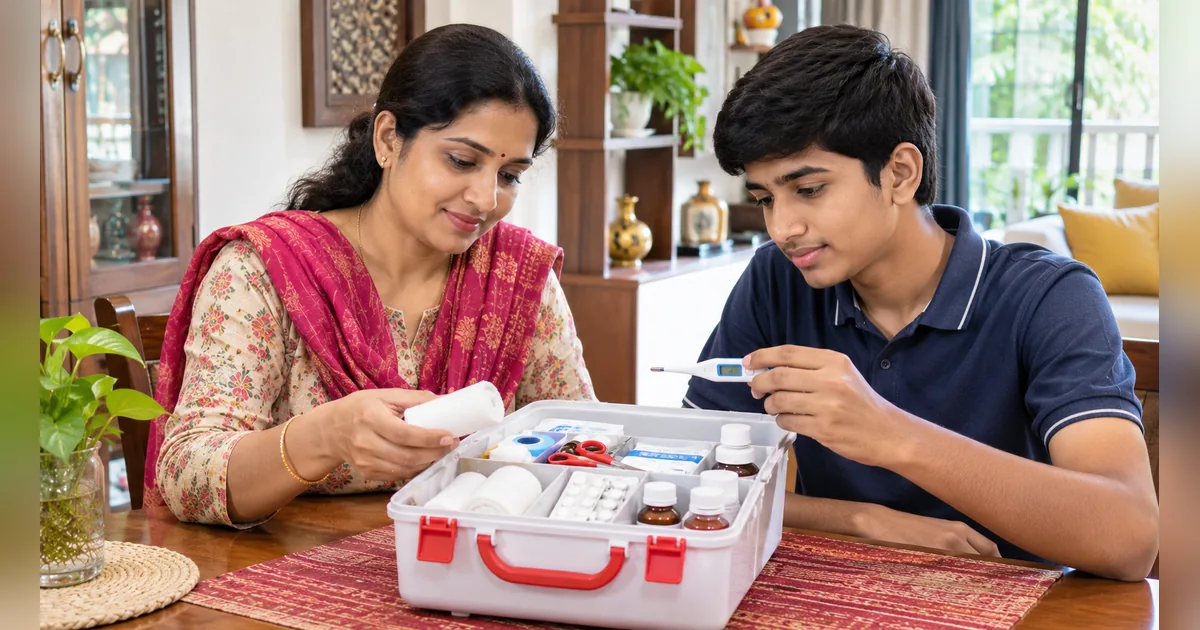
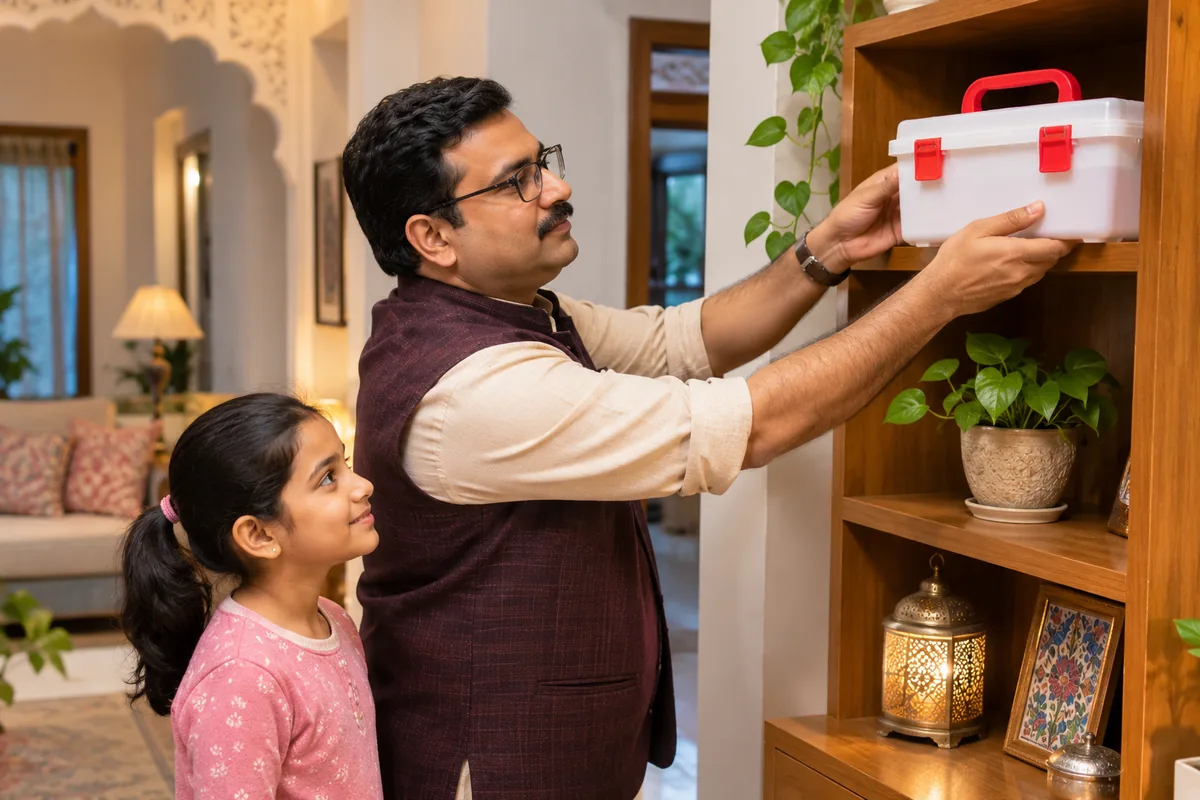
Keep the kit in a dry, cool, easily accessible place, away from direct sunlight and out of the reach of small children. A clear box with a tight lid works better than a cupboard shelf with loose items. Make sure every adult at home knows where it is and what is inside. Keep a second smaller kit in your car or two-wheeler storage for road trips.
Basic contents of a home kit
- Sterile gauze pads, roller bandages, adhesive bandages of different sizes and medical tape
- Antiseptic solution or wipes and clean cotton
- Scissors with blunt tips, tweezers and safety pins
- Disposable gloves and a few face masks
- Digital thermometer
- Oral rehydration salts
- Burn dressings or clean non-stick dressings
- Cold pack or a clean cloth for cold compress
- Medicines your doctor has approved for your family, such as fever or pain medicine
- A written list of emergency contacts, allergies and regular medicines for each family member
Only add prescription medicines that your doctor has advised for your family. Do not store random leftover tablets, and never give adult medicines to children without advice.
Simple first aid for common problems
These are first steps only, and a doctor should see anything serious or worsening.
- Cuts and scrapes: wash hands, rinse the wound under clean running water, press gently with a clean cloth to stop bleeding and cover with a sterile dressing
- Minor burns: cool the area under cool running water for several minutes, do not apply toothpaste, butter or ice, and cover loosely with a clean dressing
- Sprains: rest, apply a cold compress wrapped in cloth, keep the limb raised and seek an examination if swelling or pain is severe
- Nosebleed: sit up, lean forward, pinch the soft part of the nose for several minutes
- Loose motions or vomiting: give oral rehydration salts in small sips and see a doctor if symptoms persist, especially in children or elders; see food poisoning care
When it is an emergency
Call for an ambulance or go to the nearest hospital if there is heavy bleeding that does not stop, chest pain, trouble breathing, unconsciousness, seizures, a suspected fracture, deep burns or a road accident. For accidents, bystanders can help in the first minutes; read our road accident first aid guide. If someone has sudden chest discomfort, sweating and breathlessness, learn the heart attack warning signs. Save the national emergency numbers in every phone, and keep the address of the nearest hospital written near the kit.
Maintaining the kit
Set a reminder to check the kit every few months. Replace used items, remove anything past its expiry date and keep the contact list updated. During winter, add items relevant to the season such as a moisturiser for dry skin and extra thermometer batteries, and review safety around heaters, which our carbon monoxide safety guide explains. Consider learning basic first aid and CPR from a recognised training provider; a short course can make a real difference in an emergency.
ATTPL Healthcare
ATTPL Healthcare helps families in Jaipur find doctors and home care support. Toll-free: 1800 890 0815.
Frequently asked questions
What should be in a basic first aid kit?
Dressings, bandages, antiseptic, gloves, scissors, a thermometer, oral rehydration salts, doctor-approved medicines and an emergency contact list.
Should I apply toothpaste or butter on a burn?
No; cool the burn under clean running water and cover it loosely, then seek medical care for anything serious.
How often should I check the kit?
Every few months, and after each use, to remove expired items and restock.
Sources and further reading
For awareness only, not medical advice. Consult a qualified doctor for any health concern.