Patient Guides
Food Poisoning: Symptoms, Home Care and When to See a Doctor
By ATTPL HEALTHCARE Editorial Team · · 2 min read
A practical guide to food poisoning — common causes, symptoms, oral rehydration, what to eat, danger signs that need a doctor and food safety habits that prevent it.
Symptoms
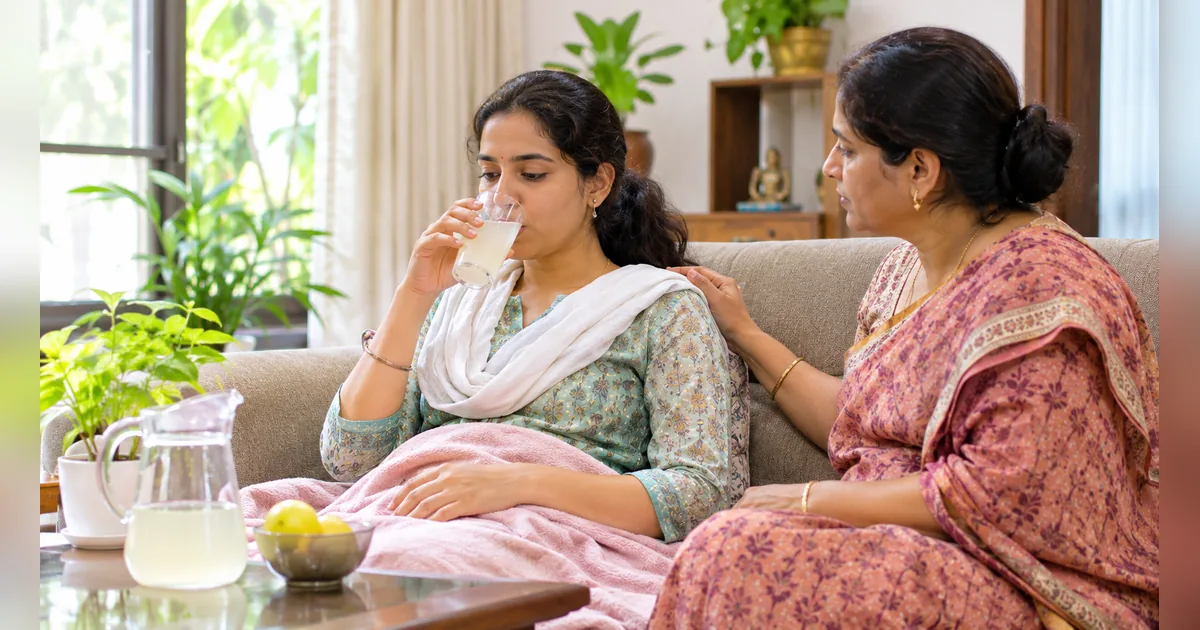
Food poisoning is caused by eating food or water contaminated with germs or toxins. Most cases pass in a day or two, but dehydration can become serious, especially in children and older people.
Nausea, vomiting, loose motions, stomach cramps and sometimes fever, usually starting a few hours to a day after eating contaminated food.
Home care
- Drink oral rehydration solution (ORS) in small, frequent sips
- Continue light, freshly cooked food such as khichdi, curd rice or bananas when you can eat
- Rest and avoid oily, spicy food and alcohol
- Do not take anti-diarrhoeal or antibiotic medicines without a doctor's advice
Danger signs
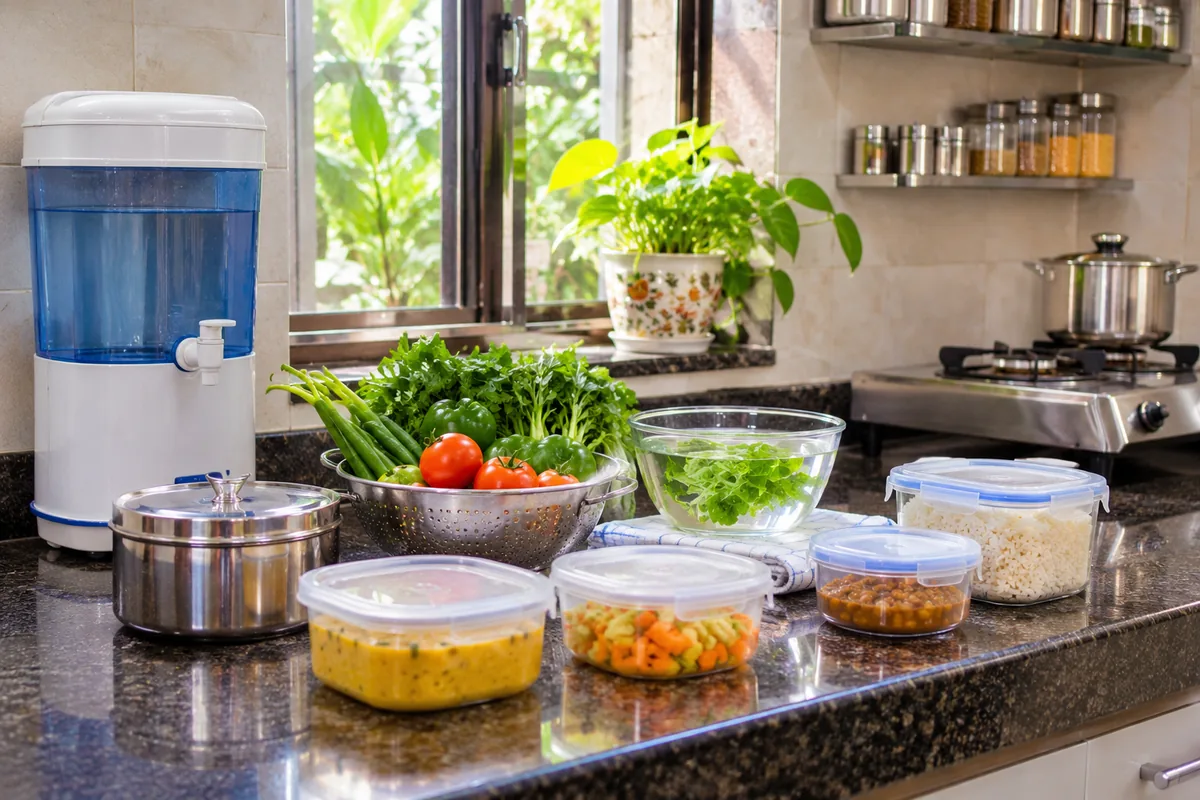
See a doctor urgently for blood in stools, high fever, repeated vomiting that stops fluids, very little urine, dizziness, or symptoms in infants, pregnant women and older adults. Tests such as a CBC or kidney function tests may be needed. Typhoid is a different illness; see our typhoid guide.
How ATTPL Healthcare helps
ATTPL Healthcare helps families find doctors and labs quickly. Toll-free: 1800 890 0815.
Frequently asked questions
How long does food poisoning last?
Usually one to three days; see a doctor if it lasts longer or danger signs appear.
Is ORS better than plain water?
Yes. ORS replaces salts and sugar lost in diarrhoea and vomiting.
Can I eat during food poisoning?
Yes, light freshly cooked food when you feel able; avoid heavy and oily meals.
Sources and further reading
This article is general health information, not medical advice. Seek medical care for danger signs.