Preventive Health
Kidney Function Tests: Creatinine, eGFR
By ATTPL HEALTHCARE Editorial Team · · 3 min read
A simple guide to kidney function tests in India: creatinine, eGFR, urea and urine albumin. Who should test and how to protect your kidneys.
Why check your kidneys?
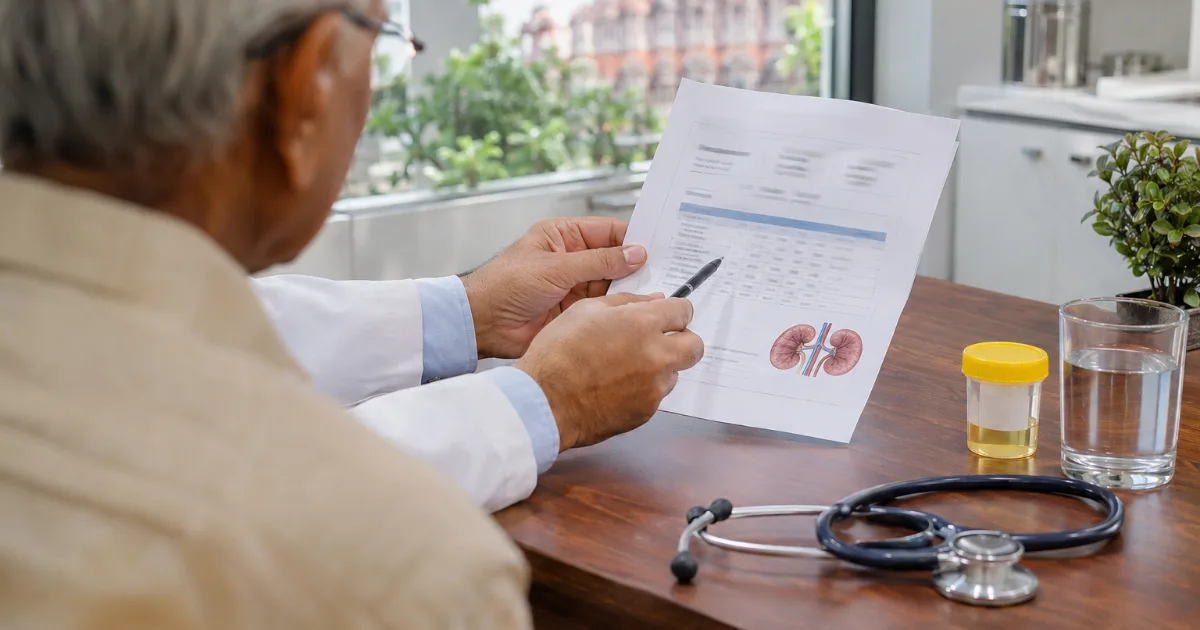
Your kidneys filter waste and extra water from the blood, help control blood pressure, keep minerals in balance and support red blood cell production. Kidney disease often develops silently. Many people feel completely well until a large part of kidney function has already been lost, which is why simple blood and urine tests are so valuable. These tests are widely available in Jaipur and other cities, and can usually be done in a single visit to a lab or through home sample collection.
Two of the most common causes of long-term kidney damage are diabetes and high blood pressure, both widely seen in India. If you have either condition, regular kidney tests are usually part of good care. Early detection gives you and your doctor more time to slow any damage.
The main kidney function tests
A kidney function test (KFT) or renal function test (RFT) package usually includes the following. Reference ranges vary by laboratory, so read your result against the range on your own report.
- Serum creatinine: a waste product from muscles that healthy kidneys remove. A rising level can suggest reduced kidney function, though muscle mass, diet and some medicines also affect it.
- eGFR (estimated glomerular filtration rate): calculated from creatinine, age and sex. It estimates how well the kidneys are filtering and is used to describe the stage of chronic kidney disease.
- Blood urea or BUN: another waste product; it can rise with dehydration, high protein intake or kidney problems.
- Electrolytes (sodium, potassium) and uric acid: often included to check balance.
- Urine routine and urine albumin-to-creatinine ratio (UACR): protein in the urine is one of the earliest signs of kidney damage, especially in people with diabetes.
Who should consider testing?
- People with diabetes or high blood pressure
- Those with heart disease, obesity or a family history of kidney disease
- People who often take painkillers such as NSAIDs, or other long-term medicines that can affect the kidneys
- Anyone with a history of kidney stones or repeated urinary infections
- Adults above 60, as part of a routine check-up
Symptoms such as swelling of the feet or face, foamy urine, passing much more or much less urine, blood in the urine or persistent tiredness need a doctor's review. Sudden severe swelling, very little urine or breathlessness need urgent medical care.
Kidney health in Rajasthan's climate
Hot, dry summers in Jaipur and across Rajasthan can lead to dehydration, especially for outdoor workers, travellers and the elderly. Repeated dehydration can strain the kidneys and is linked with kidney stone formation. Drinking enough clean water through the day is important, but people with heart or kidney disease may be told to limit fluids, so follow your doctor's advice rather than a fixed number of litres. Watch for dark yellow urine, headache or dizziness on hot days, and take regular breaks in the shade if you work outdoors.
Everyday habits that support kidney health
- Keep blood sugar in the target your doctor sets; see our guide to fasting sugar and HbA1c tests.
- Check blood pressure regularly; our article on checking blood pressure at home correctly shows how.
- Avoid taking painkillers often without a doctor's advice, and be careful with unregulated supplements.
- Reduce excess salt, stay active, avoid tobacco and keep a healthy weight.
- Repeat tests at the interval your doctor advises and keep reports together to see the trend.
Getting tested with ATTPL Healthcare
Kidney function tests need a small blood sample and a urine sample. Fasting is usually not needed for a KFT alone, but the lab may ask you to fast if sugar or lipid tests are added. You can book a KFT and urine tests through our diagnostics services and discuss results through a doctor consultation.
ATTPL Healthcare is part of ATTPL Group, Jaipur, under the ATTPL (ऐट्प्ल) HOLDCO - GROUP. To arrange a kidney check-up for yourself or an elderly parent, contact ATTPL Healthcare.
Frequently asked questions
What is a normal eGFR?
eGFR varies with age and lab method. Your doctor reads it together with urine albumin and your history; a single value is not enough to diagnose kidney disease.
Is high creatinine always kidney disease?
Not always. Dehydration, high muscle mass, some medicines and recent heavy exercise can raise creatinine. Doctors often repeat the test and add a urine test before deciding.
How often should people with diabetes test their kidneys?
Many guidelines suggest at least a yearly check of eGFR and urine albumin for people with diabetes, but your doctor may advise a different schedule.
Sources and further reading
This article is for general awareness and is not medical advice. Kidney test results must be interpreted by a qualified doctor; please consult a doctor for diagnosis and treatment.