Diagnostics
Thyroid Tests Explained: TSH, T3 and T4
By ATTPL HEALTHCARE Editorial Team · · 3 min read
A simple guide to thyroid blood tests in India: what TSH, T3, T4 and anti-TPO mean, who should get tested and how to prepare. Consult a doctor.
Why thyroid tests matter
The thyroid is a small, butterfly-shaped gland in the front of the neck. The hormones it makes help control how your body uses energy, which affects weight, heart rate, body temperature, mood, periods and even skin and hair. When the gland makes too little hormone (hypothyroidism) or too much (hyperthyroidism), the symptoms often build slowly and are easy to blame on stress, age or a busy life.
Thyroid problems are commonly seen in clinics across India, including in Jaipur and the rest of Rajasthan, and they are more frequent in women. The good news is that a simple blood test can show whether the thyroid is working normally, and most thyroid conditions can be managed well under a doctor's care.
What the main thyroid tests mean
A "thyroid profile" usually includes some or all of the tests below. Your report will show your result next to the lab's reference range, and ranges differ slightly from lab to lab, so always read your value against the range printed on your own report.
- TSH (thyroid-stimulating hormone): made by the pituitary gland in the brain. It is usually the first and most useful screening test. A high TSH often suggests an underactive thyroid; a low TSH may suggest an overactive thyroid.
- Free T4 (FT4) or total T4: the main hormone made by the thyroid. Doctors read it together with TSH to confirm what is happening.
- Free T3 (FT3) or total T3: the more active form of thyroid hormone. It is often checked when an overactive thyroid is suspected.
- Anti-TPO antibodies: these can show whether the immune system is attacking the thyroid, a common cause of hypothyroidism.
- Ultrasound of the neck: not a blood test, but your doctor may advise it if a lump or swelling (goitre or nodule) is felt.
Symptoms that may prompt a test
Only a doctor can decide whether your symptoms point to the thyroid, but these are common reasons people are advised to get tested:
- Tiredness, feeling cold, weight gain, constipation, dry skin or hair fall (possible underactive thyroid)
- Weight loss despite good appetite, fast heartbeat, tremor, sweating or anxiety (possible overactive thyroid)
- Irregular or heavy periods, or difficulty in conceiving
- Swelling in the front of the neck
- A family history of thyroid disease, or another autoimmune condition such as type 1 diabetes
Doctors also commonly check thyroid function during pregnancy planning and pregnancy, because thyroid hormone is important for the baby's development and pregnancy has its own reference ranges.
How to prepare for a thyroid test
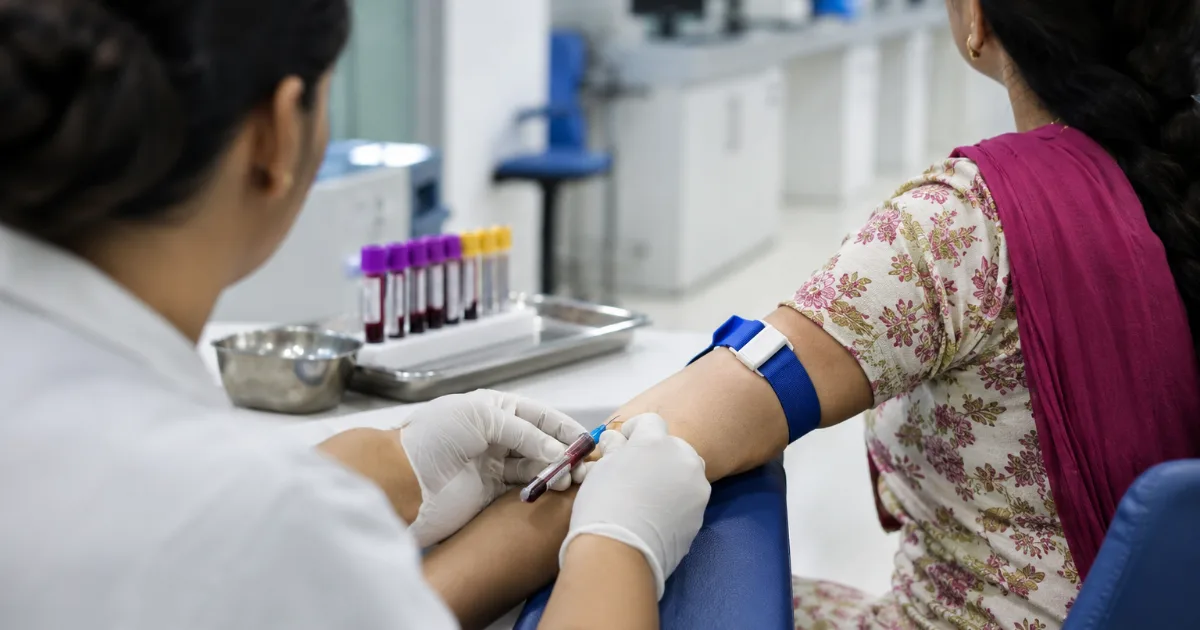
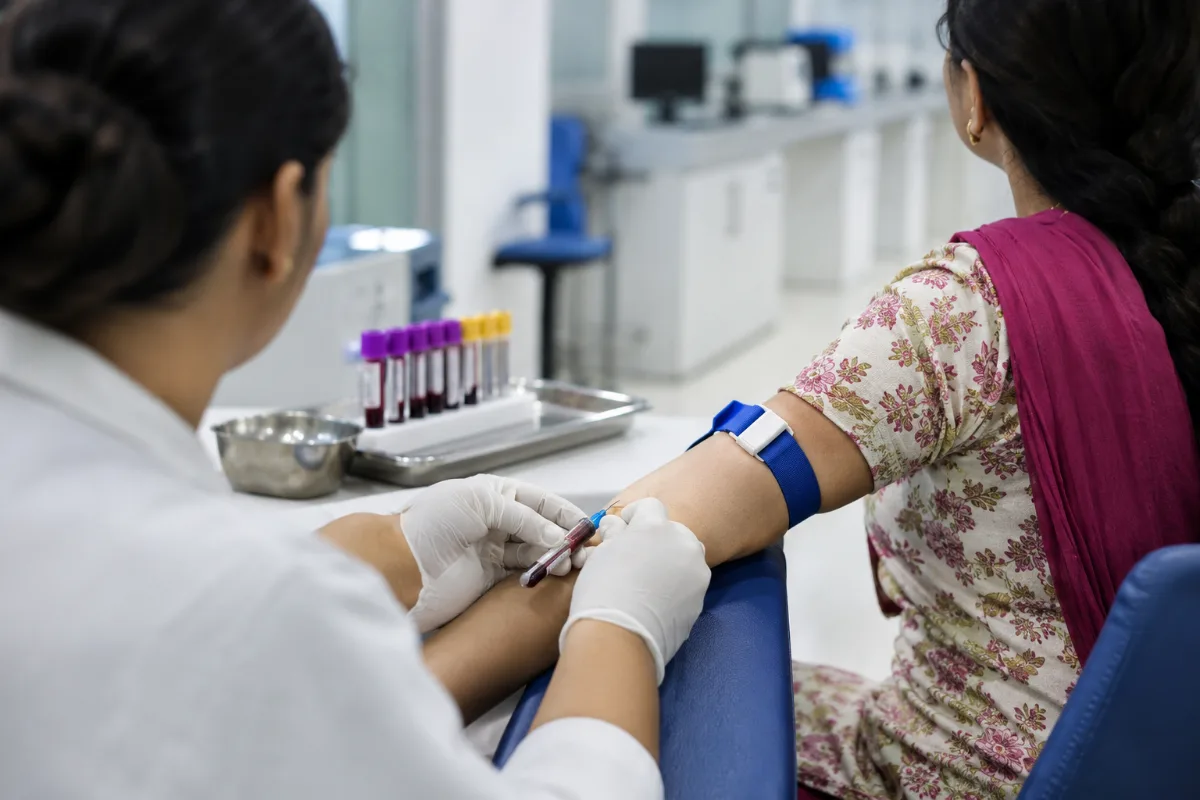
A thyroid test needs only a small blood sample. Fasting is usually not required for thyroid tests alone, but if you are getting a full check-up with sugar and cholesterol, the lab may ask you to fast. A few practical tips help you get a reliable result:
- If you already take thyroid medicine, ask your doctor whether to take the dose before or after the blood sample on test day.
- Tell your doctor about supplements. High-dose biotin (often found in hair and nail supplements) can interfere with some lab methods and give misleading results.
- Try to test at a similar time of day for follow-up tests so results are easier to compare.
- Use an accredited laboratory; our guide on how to choose a NABL-accredited lab explains what to look for.
After the report: next steps
One abnormal value does not always mean disease. Thyroid results can change temporarily after an illness, with some medicines or during pregnancy, so doctors often repeat the test after a few weeks before deciding on treatment. Never start, stop or change thyroid medicine on your own based on an online range.
If you are diagnosed with a thyroid condition, treatment is usually simple but long-term, with regular blood tests to adjust the dose. Keep all your reports in one place so your doctor can see the trend over time. You can book thyroid and other blood tests through our diagnostics services, or speak to a doctor through online or in-person consultation.
Regular tests and doctor visits add up over the years, so it helps to know what your policy covers; families can explore health insurance options from ATTPL Finance that may cover consultations and diagnostics under some plans. To arrange a thyroid test or doctor consultation in Jaipur, contact ATTPL Healthcare.
Frequently asked questions
Do I need to fast for a thyroid test?
Usually not for thyroid tests alone. If other tests such as fasting sugar or lipids are done at the same time, the lab will tell you how long to fast.
What is a normal TSH level?
Reference ranges vary by laboratory and are different in pregnancy. Read your result against the range on your own report and ask your doctor to interpret it.
Can thyroid problems be cured?
Many thyroid conditions are long-term but can be managed well with treatment and regular monitoring. Your doctor will explain the options for your situation.
Sources and further reading
This article is for general awareness and is not medical advice. Thyroid test results must be interpreted by a qualified doctor; please consult a doctor before starting or changing any treatment.