Patient Guides
Typhoid Fever: Symptoms, Tests, Treatment and Prevention
By ATTPL HEALTHCARE Editorial Team · · 2 min read
A simple guide to typhoid fever in India — how it spreads, symptoms, which tests help, why antibiotics must be completed, warning signs and prevention including vaccination.
Symptoms
Typhoid is a bacterial infection spread through contaminated food and water. It is common in India, especially in summer and the monsoon, and it is treatable when diagnosed early and treated fully.
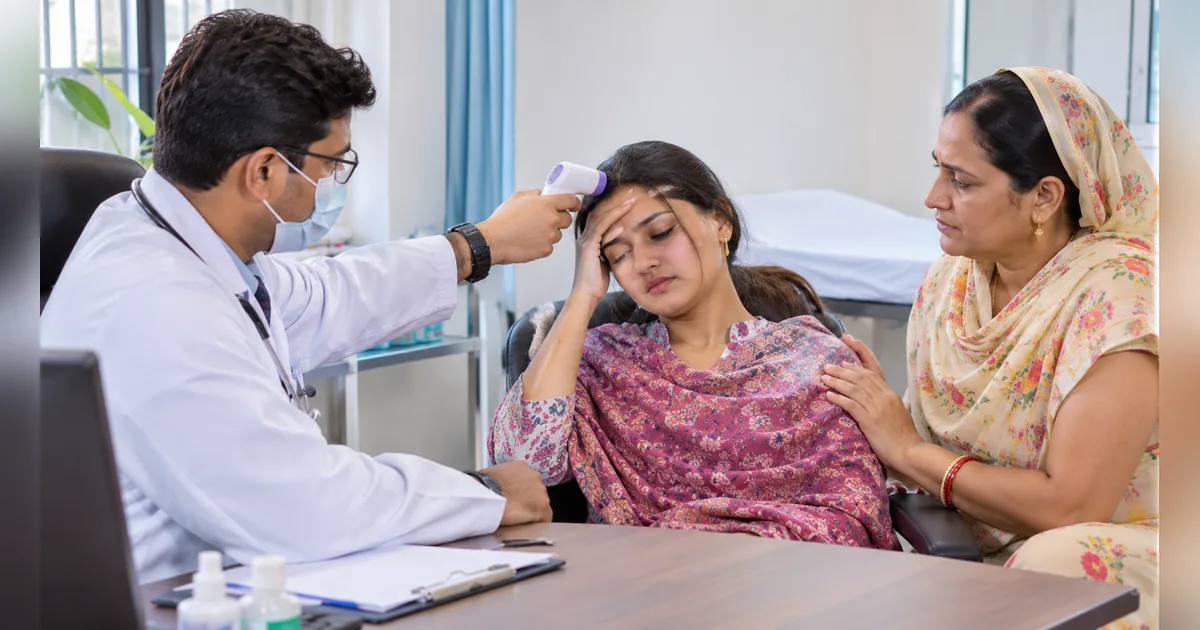
Typhoid usually starts with fever that rises over several days, along with headache, weakness, stomach pain, loss of appetite and sometimes constipation or diarrhoea. Without treatment it can last weeks and cause serious complications.
Tests
Blood culture early in the illness is the most reliable test. The Widal test is widely used but can give misleading results and should be interpreted by a doctor. A CBC report and liver function tests may also be done. Use an accredited lab.

Treatment and warning signs
- Take antibiotics only as prescribed and complete the full course, even if you feel better
- Drink plenty of fluids and eat light, freshly cooked food
- Seek urgent care for severe stomach pain, vomiting blood, black stools, confusion or very high fever
- Do not self-medicate, because antibiotic resistance in typhoid is a growing problem
Prevention
Drink safe water, wash hands with soap before eating and after using the toilet, and avoid raw food from unhygienic places. Typhoid vaccines are available; discuss them with your doctor along with other adult vaccinations.
Frequently asked questions
Is the Widal test enough to diagnose typhoid?
Not on its own. Blood culture is more reliable, and the doctor interprets results together with symptoms.
Can typhoid come back?
Relapse can happen, especially if treatment is incomplete. Some people also become carriers.
Who should get the typhoid vaccine?
Ask your doctor; it is often advised for children, travellers and people at higher risk.
Sources and further reading
This article is general health information, not medical advice, diagnosis or treatment. Always consult a qualified doctor, and seek emergency care for severe symptoms.