Seasonal Health
Cold Wave in Rajasthan: Health Precautions for the Elderly, Children and Outdoor Workers
By ATTPL HEALTHCARE Editorial Team · · 2 min read
How a cold wave affects health, warning signs of hypothermia, who is most at risk in Rajasthan's winter, and simple steps families, employers and caregivers can take to stay safe.
Who is most at risk
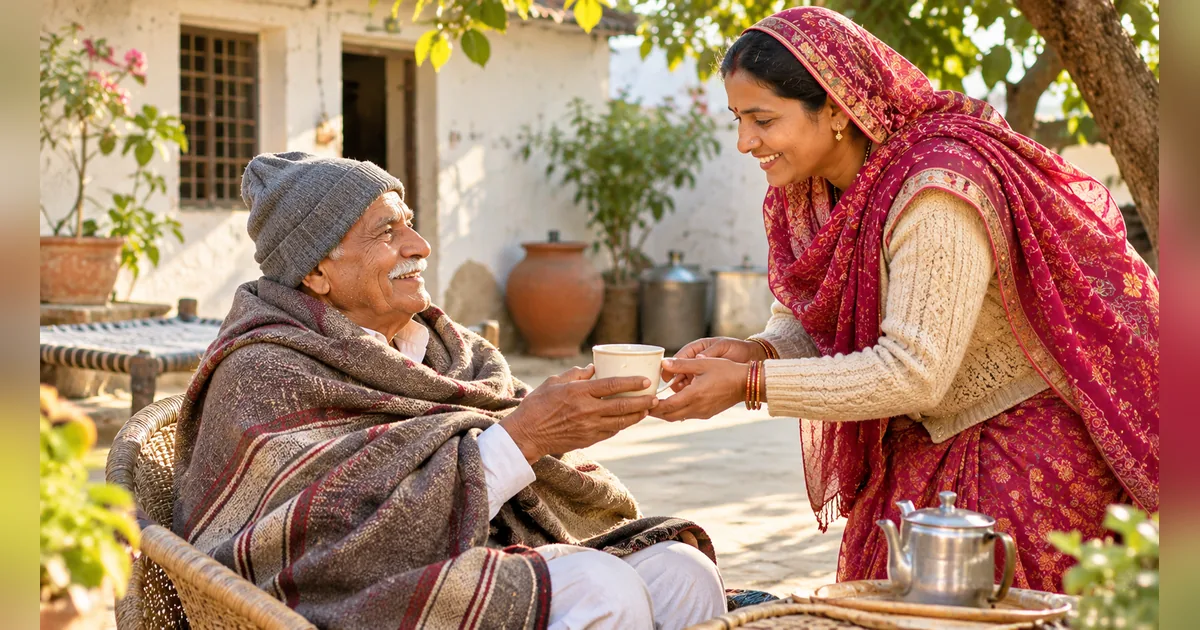
Winter nights in Rajasthan can be sharply cold, especially in the northern and desert districts, and the weather department issues cold wave warnings when temperatures fall well below normal. Most healthy people cope with warm clothes, but older people, infants, people with heart or lung disease and those who work or sleep outdoors face real risks. A few precautions prevent most problems.
- Elderly people, especially those living alone
- Newborns and young children, who lose heat quickly
- People with heart disease, diabetes, asthma or high blood pressure
- Outdoor workers, farm labourers, drivers and security guards on night duty
- People without proper shelter
Cold weather makes blood vessels narrow and can raise blood pressure, so people with heart problems should know the warning signs of a heart attack and keep emergency numbers handy.
Warning signs to watch
Hypothermia means the body temperature has fallen too low. Early signs are strong shivering, cold pale skin and tiredness. Later signs are confusion, slurred speech, slow breathing and drowsiness; at this stage shivering may stop. In infants, cold red skin and very low energy are warning signs.
Chilblains are itchy, red or bluish swellings on fingers and toes after cold exposure. They usually settle with warmth and protection, but people with diabetes should get any foot sores checked; see our diabetic foot care guide.
Simple precautions at home
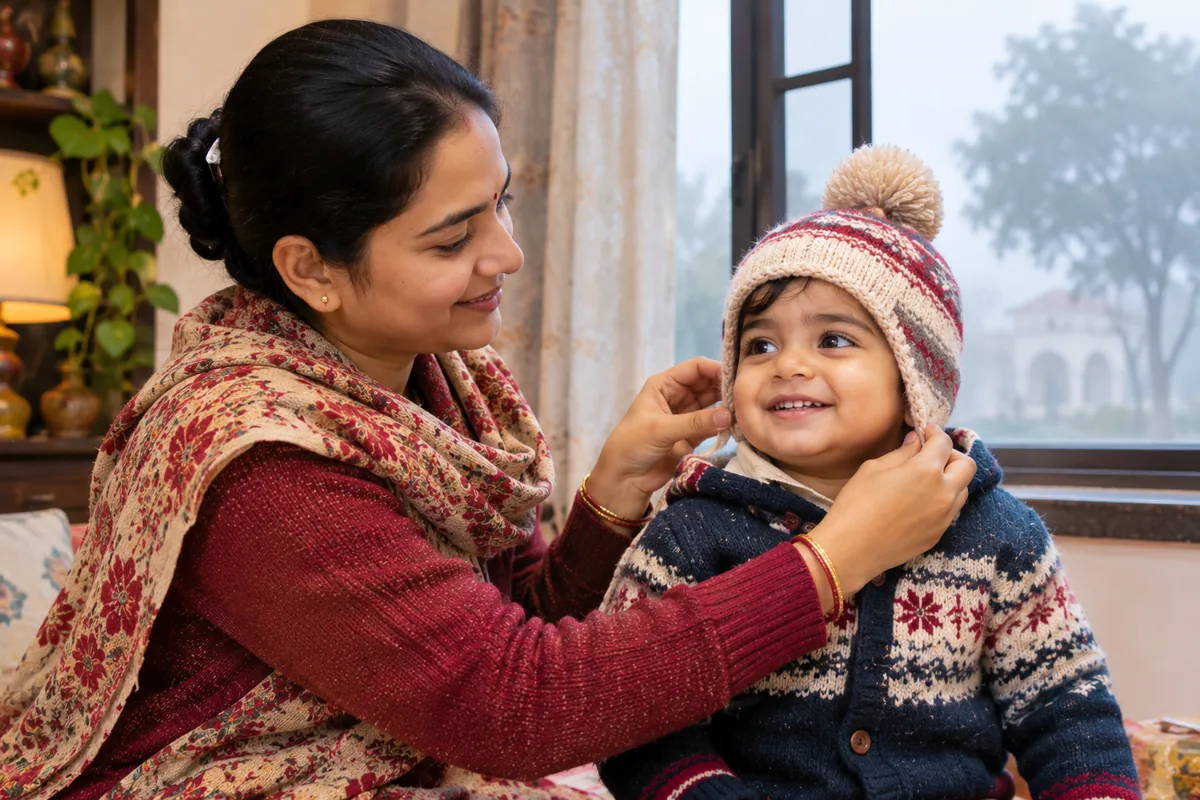
- Wear several thin layers rather than one heavy layer; cover head, ears, hands and feet
- Keep the house warm but ventilated; never sleep with a coal angithi burning in a closed room
- Eat regular warm meals and drink enough fluids, even if you feel less thirsty
- Avoid alcohol; it gives a false sense of warmth and increases heat loss
- Check on elderly neighbours and relatives during cold spells
- Keep regular medicines stocked so trips out in early morning cold are not needed
Families caring for older members at home can find more ideas in our home healthcare and elder care guide.
Older people may not feel the cold as sharply and may not ask for help, so family members should check whether they are warm enough, especially at night and early morning. A room thermometer can be a useful guide in homes with frail elderly members or newborns.
For employers and outdoor workers
Give workers warm drinking water, a sheltered place to rest, and flexibility to start later on very cold mornings where possible. Night-shift staff should have warm clothing and a way to warm up. Follow cold wave alerts from the weather department and district administration.
First aid for hypothermia
Move the person to a warm place, remove wet clothes, and cover them with dry blankets, including the head. Give warm, non-alcoholic drinks only if they are fully awake. Do not rub the limbs hard or use very hot water. If the person is confused, drowsy or not breathing normally, call emergency services immediately.
ATTPL Healthcare
ATTPL Healthcare helps families in Jaipur find doctors and home care support. Toll-free: 1800 890 0815.
Frequently asked questions
What is a cold wave?
A period when temperatures fall well below normal for the area, as declared by the weather department.
Does alcohol help keep warm?
No, it gives a false feeling of warmth and increases heat loss from the body.
When is hypothermia an emergency?
When there is confusion, drowsiness, slurred speech or slow breathing; seek help immediately.
Sources and further reading
For awareness only, not medical advice. Consult a qualified doctor for any health concern.