Infectious Diseases
Swine Flu (H1N1): Symptoms, Testing and Prevention for Rajasthan Families
By ATTPL HEALTHCARE Editorial Team · · 2 min read
What H1N1 influenza (swine flu) is, how its symptoms differ from a common cold, who is at higher risk, when to seek testing and care, and simple prevention steps for homes, schools and workplaces.

What it is and how it spreads
H1N1 influenza, commonly called swine flu, is a type of seasonal flu virus that spreads from person to person like other flu viruses. In India, cases are reported in different seasons, and cooler months can favour spread when people spend more time indoors in close contact. Most people recover with rest and care, but some groups can become seriously ill, so early recognition matters.
H1N1 spreads through droplets when an infected person coughs, sneezes or talks, and through contaminated hands and surfaces. It is not spread by eating pork. Crowded indoor spaces with poor ventilation, such as buses, offices, wedding gatherings and classrooms, can make spread easier.
Symptoms to watch for
The symptoms are similar to seasonal flu and can overlap with other infections. A flu versus common cold comparison can help you judge how severe the illness is.
- Sudden fever and chills
- Cough and sore throat
- Body ache, headache and tiredness
- Runny or blocked nose
- Sometimes vomiting or loose motions, especially in children
Breathlessness, chest pain, bluish lips, confusion, persistent high fever or inability to drink fluids are warning signs that need urgent medical attention. Such symptoms can also point to pneumonia, which needs prompt treatment.
Who is at higher risk
- Pregnant women
- Young children and the elderly
- People with diabetes, heart, lung or kidney disease
- People with weak immunity or on long-term steroid treatment
- Those with obesity or other long-term illnesses
If you belong to a higher-risk group and develop flu symptoms, contact a doctor early rather than waiting. Asthma patients should also read our winter asthma guide, since viral infections can trigger attacks.
Testing and treatment
Doctors decide on testing based on symptoms, risk category and local health department guidance. Testing is usually done on a throat or nasal swab at approved laboratories, and public health authorities issue guidance on where tests are available. Antiviral medicine may be prescribed by a doctor in suitable cases, and works best when started early. Do not take antibiotics or leftover medicines on your own, because antibiotics do not act on viruses.
- Rest at home and drink plenty of fluids
- Use fever and pain medicine only as advised by a doctor
- Stay at home until you have recovered, to avoid spreading the infection
- Return to a doctor if breathing becomes difficult or symptoms worsen
Prevention at home and in the community
- Wash hands often with soap and water for at least twenty seconds
- Cover your mouth and nose with a tissue or your elbow when you cough or sneeze
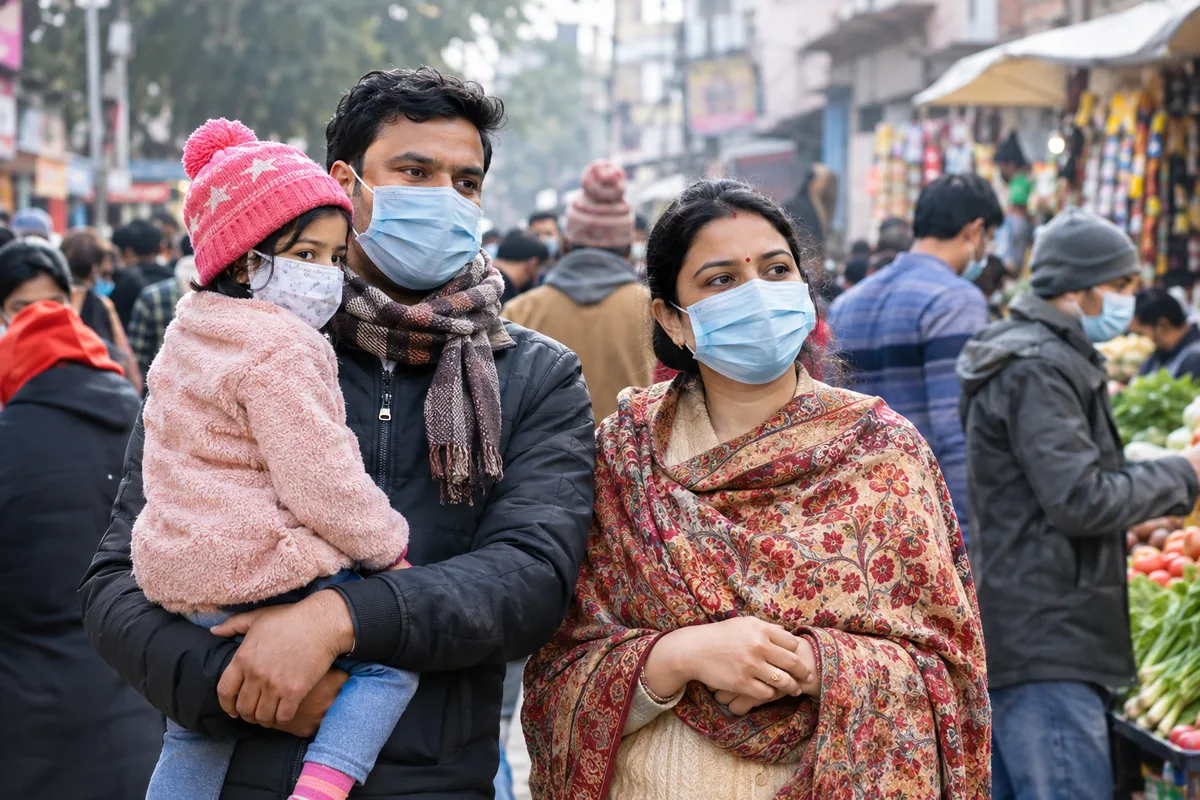
- Wear a mask in crowded places or when you are unwell
- Keep rooms ventilated and clean frequently touched surfaces
- Avoid close contact with people who have flu-like illness
Seasonal flu vaccination is recommended by doctors for many higher-risk groups; ask about it during your next visit. Our adult vaccination guide lists what to discuss with your doctor, and regular preventive check-ups help you manage long-term conditions that raise risk.
ATTPL Healthcare
ATTPL Healthcare helps families in Jaipur find doctors and home care support. Toll-free: 1800 890 0815.
Frequently asked questions
Can I get swine flu from eating pork?
No. H1N1 spreads from person to person through droplets and contaminated surfaces.
When should I see a doctor for flu symptoms?
Early if you are high-risk, and urgently for breathlessness, chest pain, bluish lips or confusion.
Do antibiotics treat swine flu?
No; antibiotics act on bacteria, not viruses. Only a doctor should decide on any antiviral medicine.
Sources and further reading
For awareness only, not medical advice. Consult a qualified doctor for any health concern.