Respiratory Health
Pneumonia: Symptoms, Warning Signs and Prevention in Children and Adults
By ATTPL HEALTHCARE Editorial Team · · 2 min read
Recognise pneumonia early: common symptoms, danger signs in children and older adults, how it is diagnosed and treated, and vaccines and habits that prevent it.
What pneumonia is
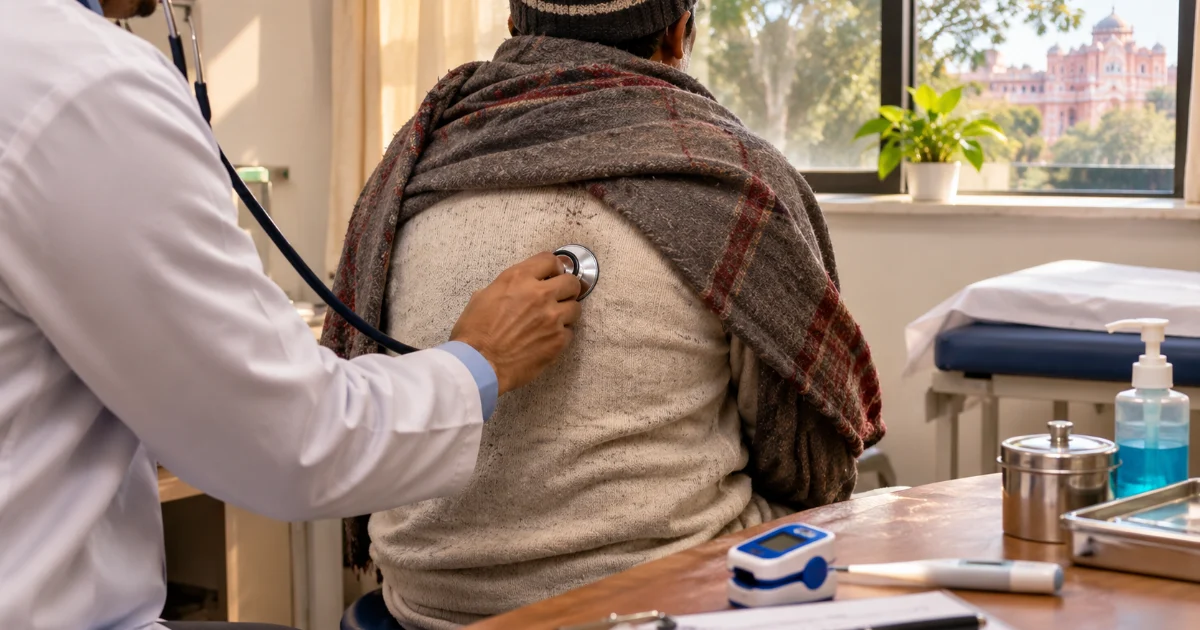
Pneumonia is an infection of the lungs in which the air sacs fill with fluid or pus, making breathing difficult and reducing oxygen in the blood. It can be caused by bacteria, viruses or, less often, fungi. Young children, adults over 65, people with diabetes, heart, lung or kidney disease, smokers and people with weak immunity are at higher risk. Cases often rise in winter, when flu and pollution also increase.
Common symptoms
- Cough, often with phlegm
- Fever with chills or sweating
- Fast or difficult breathing and breathlessness on mild effort
- Chest pain that worsens on deep breathing or coughing
- Tiredness and loss of appetite
A common cold usually improves within a week; see flu vs common cold to understand the difference.
Danger signs that need urgent care
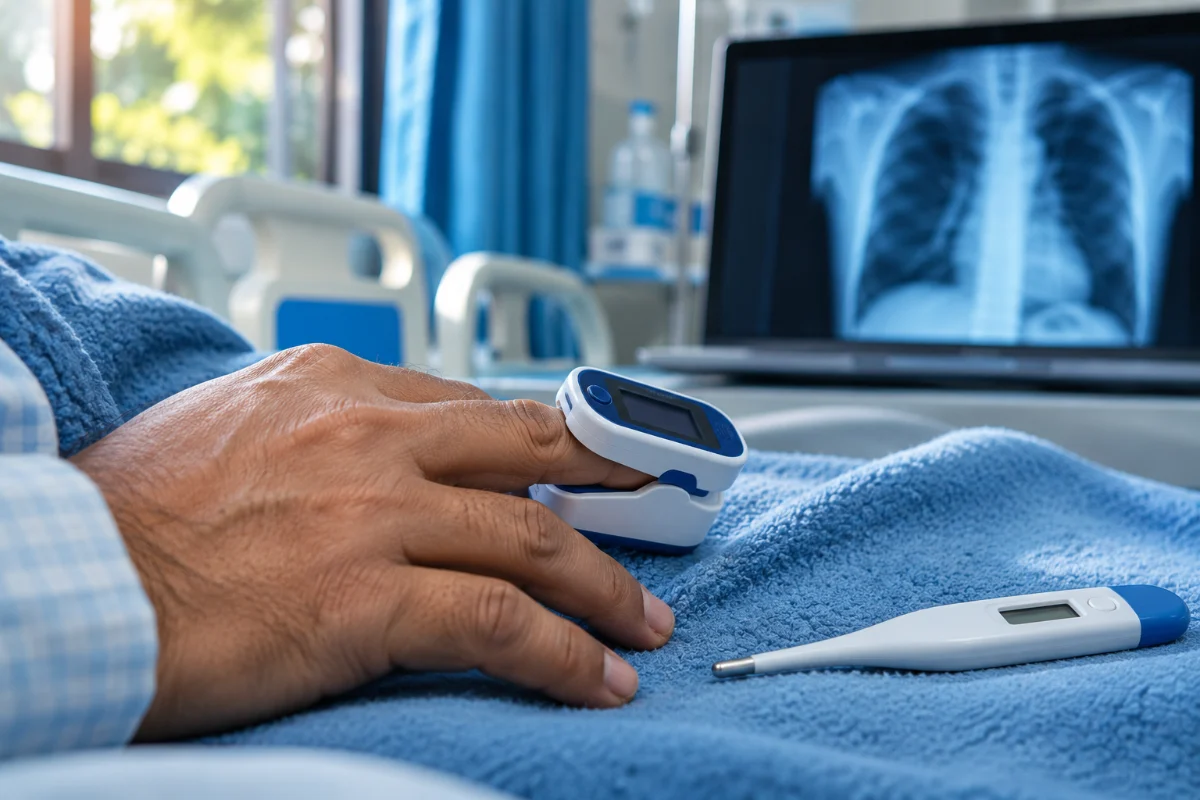
In children: fast breathing, the lower chest pulling in with each breath, inability to drink or breastfeed, unusual sleepiness, convulsions or bluish lips. In adults and older people: severe breathlessness, confusion, bluish lips, chest pain, or an oxygen level on a pulse oximeter that stays below the level your doctor advises (often around 94 per cent). Older adults may have little fever and present only with confusion or weakness, so stay alert.
Diagnosis and treatment
A doctor examines the chest and may advise a chest X-ray, blood tests such as a CBC, and an oxygen saturation check. Treatment depends on the cause and severity: many patients recover at home with prescribed medicines, rest and fluids, while others need hospital care and oxygen. Do not start or stop antibiotics on your own, and complete the full course if prescribed.
Prevention
- Childhood vaccines, including pneumococcal and Hib vaccines, under the Universal Immunisation Programme
- Pneumococcal and yearly influenza vaccines for older adults and people at higher risk, as advised; see our adult vaccination guide
- Hand washing, covering coughs and avoiding smoke and indoor solid-fuel smoke
- Reducing exposure on high-pollution days; read air pollution and lung health in Rajasthan
- Good nutrition and control of diabetes and other long-term conditions
How ATTPL Healthcare can help
ATTPL Healthcare helps families in Jaipur connect with doctors, diagnostic labs and vaccination services, and understand insurance coverage for hospital care.
Frequently asked questions
Is pneumonia contagious?
The germs that cause pneumonia can spread through coughs and sneezes, but not everyone exposed develops pneumonia.
Can pneumonia be treated at home?
Mild cases often can, under a doctor's guidance. Danger signs such as breathlessness, confusion or low oxygen need hospital care.
Who should get the pneumococcal vaccine?
Infants receive it under the national immunisation schedule; older adults and people with certain conditions should ask their doctor.
Sources and further reading
This article is general health information, not medical advice, diagnosis or treatment. Always consult a qualified doctor for your situation, and seek emergency care for severe symptoms.