Infectious Diseases
Tuberculosis (TB): Symptoms, Testing and Treatment Support in India
By ATTPL HEALTHCARE Editorial Team · · 3 min read
A clear guide to tuberculosis in India: common symptoms, when a cough needs testing, how TB is diagnosed, why completing the full course matters and the free care and support available through government programmes.
What TB is and how it spreads
Tuberculosis, or TB, is one of the oldest infectious diseases and still a major public health challenge in India. The good news is that TB is curable when it is diagnosed early and the full course of medicines is completed. Many delays happen because people ignore a long-lasting cough or fear the stigma, so awareness is the first step.
TB is caused by bacteria that most often affect the lungs, though they can also affect other parts of the body such as lymph nodes, bones, the spine or the brain. Pulmonary TB spreads through the air when a person with active TB disease coughs or sneezes. It does not spread by sharing utensils, touching or shaking hands.
Symptoms that should not be ignored
- Cough lasting two weeks or more, sometimes with phlegm or blood
- Fever, often in the evening, and night sweats
- Unexplained weight loss and loss of appetite
- Tiredness and weakness
- Chest pain or breathlessness in some patients
- Swollen glands in the neck for extra-pulmonary TB
A long cough can have many causes, such as asthma or allergy, but a cough that keeps going needs a proper check rather than home remedies or repeated cough syrups. Compare it with pneumonia warning signs to understand when care is urgent.
How TB is diagnosed
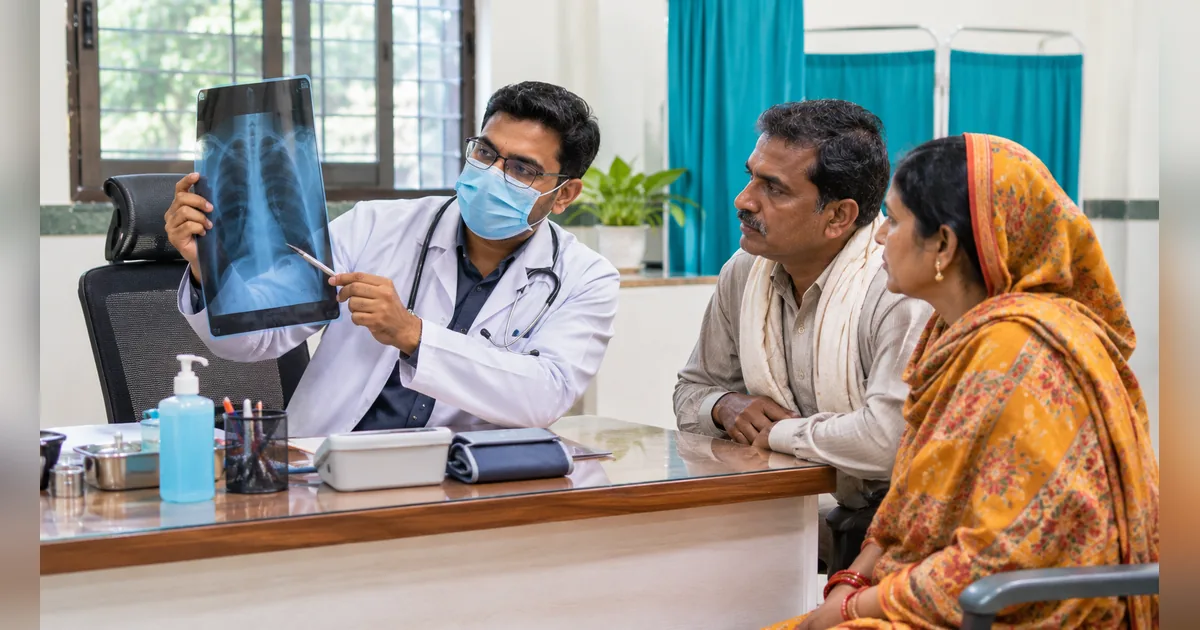
Doctors usually advise a sputum examination, which may include a rapid molecular test, and a chest X-ray. Other tests may be needed for TB outside the lungs. Government health facilities offer TB testing as part of the national programme, and the same quality standards apply when you use a private accredited laboratory. People with diabetes, HIV, long-term steroid use or close contact with a TB patient are at higher risk and should be extra alert.
Diagnosis also includes finding out whether the bacteria are sensitive to the usual medicines, because drug-resistant TB needs a different, longer treatment under close supervision.
Treatment: why completing the course matters
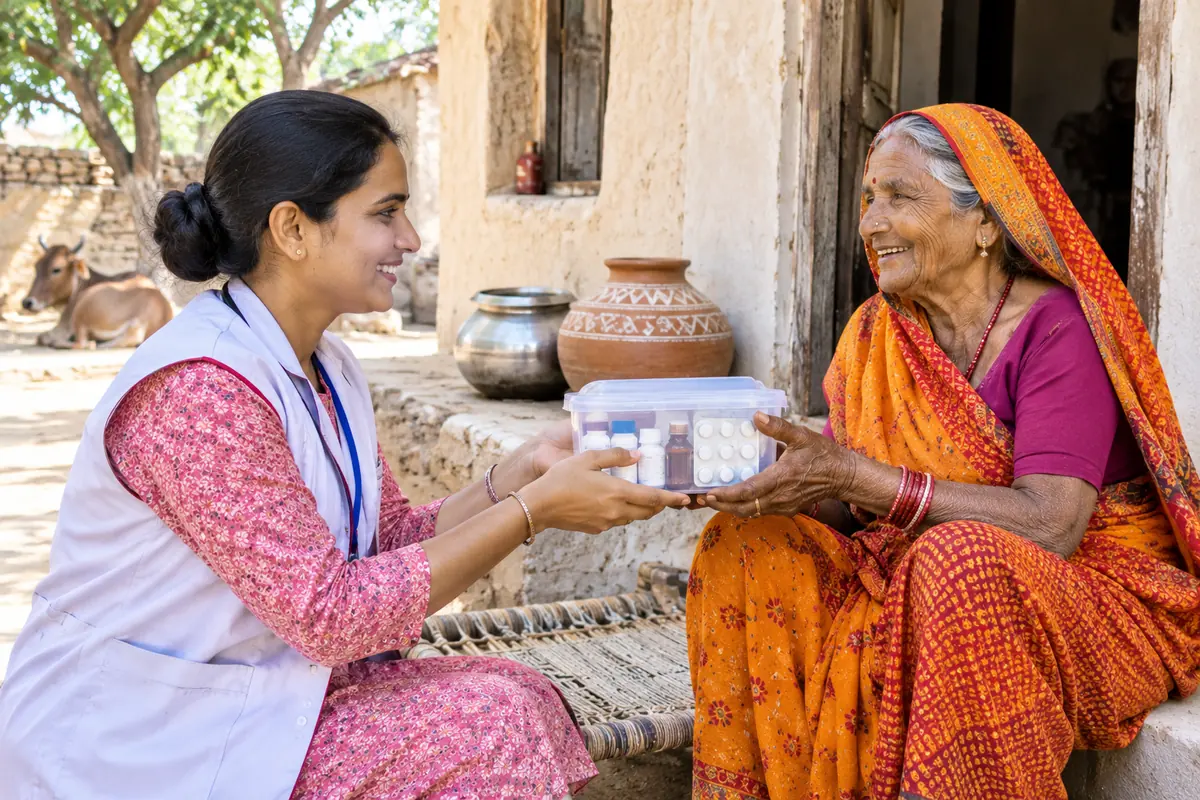
Drug-sensitive TB is treated with a combination of medicines taken for several months. Symptoms often improve within weeks, and this is when many patients stop. Stopping early allows the bacteria to survive and can lead to drug-resistant TB, which is harder to treat. Take medicines exactly as prescribed, do not skip doses and go for follow-up tests.
- Eat a balanced diet with enough protein, as advised by your doctor
- Report side effects like jaundice, vomiting or vision changes promptly
- Cover the mouth when coughing and keep rooms ventilated
- Avoid alcohol and tobacco during treatment
Free care, support and family safety
Under the National TB Elimination Programme, diagnosis and treatment are provided through government health facilities free of cost, and patients can also be supported through schemes such as nutritional support, subject to the conditions announced by the government. Notification of TB cases is mandatory, including by private providers, which helps the health system trace contacts. Close contacts, especially children, may be assessed for preventive treatment on a doctor's advice.
Stigma delays care. TB patients can lead normal lives once on treatment, and families should support them. For a person living with long-term illness, home healthcare planning can help with medicine schedules and follow-ups.
ATTPL Healthcare
ATTPL Healthcare helps families in Jaipur find doctors and home care support. Toll-free: 1800 890 0815.
Frequently asked questions
Is TB curable?
Yes, most TB can be cured when diagnosed early and the full course of treatment is completed.
When should a cough be tested for TB?
If a cough lasts two weeks or more, or comes with fever, night sweats, weight loss or blood in sputum, see a doctor.
Can I stop medicines when I feel better?
No. Stopping early can cause relapse and drug-resistant TB; always complete the course advised by your doctor.
Sources and further reading
For awareness only, not medical advice. Consult a qualified doctor for any health concern.