Preventive Health
Eye Check-ups for Adults: Screen Time and Common Problems
By ATTPL HEALTHCARE Editorial Team · · 3 min read
When adults should get eye check-ups, what tests involve, digital eye strain, and early signs of cataract, glaucoma and diabetic eye disease.
How often to get your eyes checked
See also: Conjunctivitis (Eye Flu): Symptoms, Care and Prevention
Many adults visit an eye clinic only when their vision becomes blurred. Yet several serious eye diseases — glaucoma, diabetic eye disease and early cataract — develop quietly without pain. At the same time, long hours on phones and computers have made eye strain common at every age. Regular eye check-ups protect vision that is hard or impossible to restore once lost.
- Adults with no problems: periodic check-ups as advised by an eye specialist.
- After 40: regular checks, because the risk of glaucoma and presbyopia rises.
- People with diabetes: an annual dilated eye examination is commonly recommended.
- Those with high blood pressure, a family history of glaucoma or high myopia: more frequent checks as advised.
What happens during an eye examination
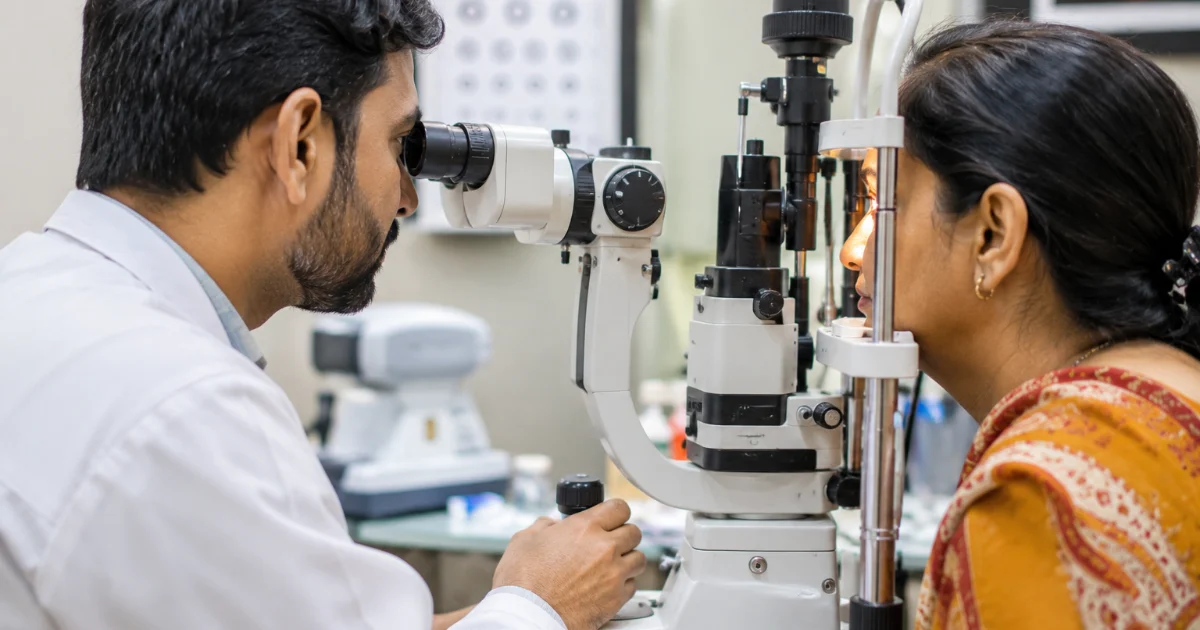
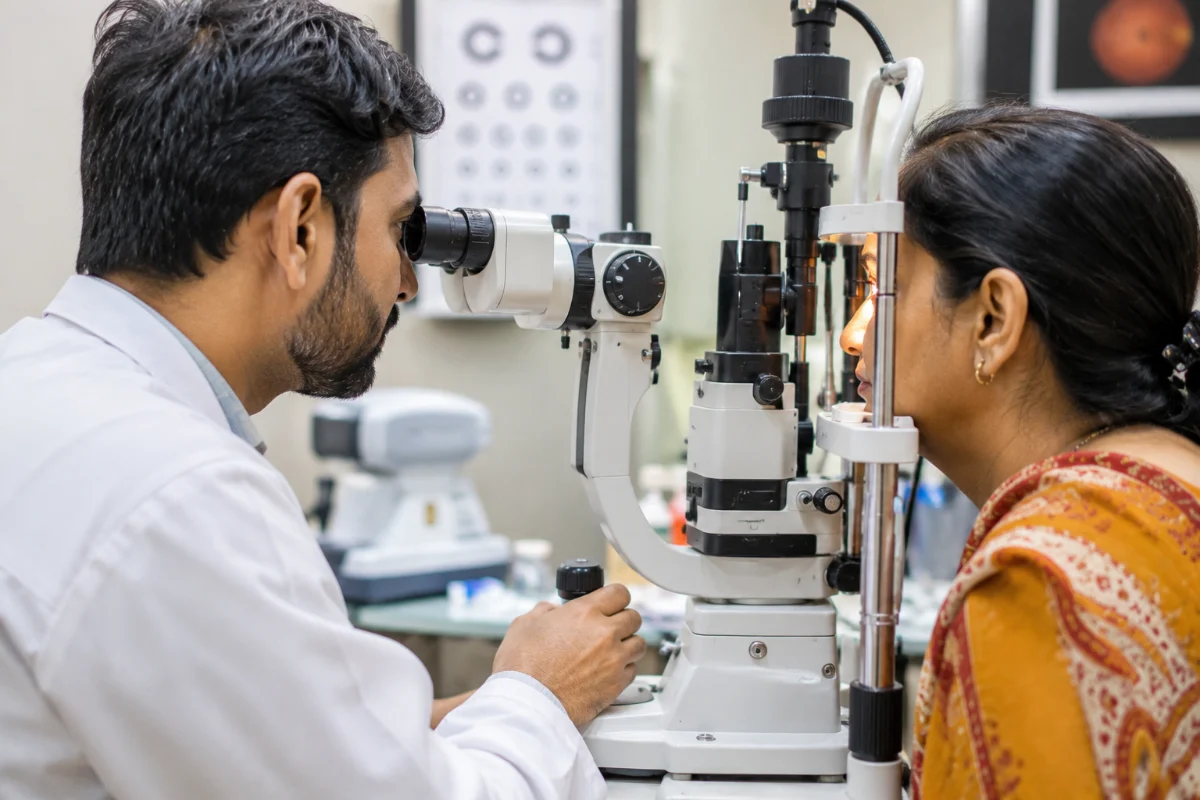
A comprehensive check-up includes a vision test, refraction to check for glasses, eye pressure measurement, a slit-lamp examination of the front of the eye and, often, a dilated examination of the retina. The examination is painless; dilating drops may blur vision for a few hours, so avoid driving immediately afterwards.
Digital eye strain
Long screen use reduces blinking and keeps the eyes focused at a fixed distance, causing dryness, headaches and tired eyes.
- Follow the 20-20-20 habit: every 20 minutes, look at something 20 feet away for 20 seconds.
- Keep screens slightly below eye level and at arm's length.
- Use good room lighting and reduce glare.
- Blink often and take regular breaks.
- Wear the correct glasses for screen distance if prescribed.
Silent eye diseases
Glaucoma damages the optic nerve gradually, often without symptoms until vision is lost. Diabetic retinopathy affects the blood vessels of the retina in people with diabetes; early treatment can prevent serious damage. Cataract clouds the lens with age and is treatable with surgery. Regular check-ups catch these early. Our diabetes check-up guide and preventive check-ups by age explain related tests.
Warning signs that need urgent care
- Sudden loss or blurring of vision.
- Flashes of light or a curtain over part of vision.
- Severe eye pain or redness with headache and nausea.
- Injury or chemical splash in the eye.
These need immediate attention from an eye specialist or hospital.
Glasses, contact lenses and dry eyes
Many adults need reading glasses after about 40 because the eye's focusing ability naturally declines, a condition called presbyopia. Wearing an old or incorrect prescription causes strain and headaches. Contact lenses need careful hygiene and should never be worn longer than advised. Dry eye is common in hot, dusty and air-conditioned environments; lubricating drops may help, but persistent symptoms should be checked by an eye doctor rather than treated with random drops.
Protecting eyes in daily life
- Wear sunglasses with UV protection in strong sunlight.
- Use protective goggles for welding, grinding and chemical work.
- Eat a balanced diet with green leafy vegetables and fruits.
- Control blood sugar and blood pressure.
- Avoid rubbing eyes and using shared eye cosmetics.
Small daily habits, together with regular check-ups, protect vision over a lifetime.
Eye care for children and elderly family members
Children who squint, sit too close to the TV or complain of headaches may need an eye test; early correction helps learning. Elderly parents with blurred vision, glare at night or frequent falls should have their eyes checked, as cataract and other treatable conditions are common in older age. Making eye check-ups a family routine helps everyone.
Eye health at work
Employers can reduce eye strain by providing good lighting, adjustable monitors and regular breaks, and by including vision checks in staff health camps. Shift and attendance planning for health camps can be handled in ATTPL WorkforceOS. Office lighting and ergonomic fit-outs are covered by ATTPL Group, and health cover by ATTPL Finance. For diagnostic guidance, contact ATTPL Healthcare.
Frequently asked questions
Can screen time permanently damage eyes?
Screen use commonly causes strain and dryness; good habits and breaks usually relieve symptoms. Discuss persistent problems with an eye doctor.
Why is a dilated eye examination needed?
Dilation lets the doctor see the retina and optic nerve clearly to detect conditions such as diabetic retinopathy and glaucoma.
Does glaucoma have early symptoms?
Often not. That is why regular eye pressure and optic nerve checks are important, especially after 40.
Are eye drops safe to use without a prescription?
Some lubricating drops are commonly used, but medicated drops, especially those containing steroids, should only be used on a doctor's advice.
Sources and further reading
This article is for general awareness only and is not a substitute for medical advice. Consult an eye specialist for any eye problem.