Emergency Care
Stroke Warning Signs: BE FAST and What to Do in the First Hours
By ATTPL HEALTHCARE Editorial Team · · 2 min read
How to recognise a stroke using BE FAST, why every minute matters, what to do and not do before reaching hospital, and how to lower stroke risk.
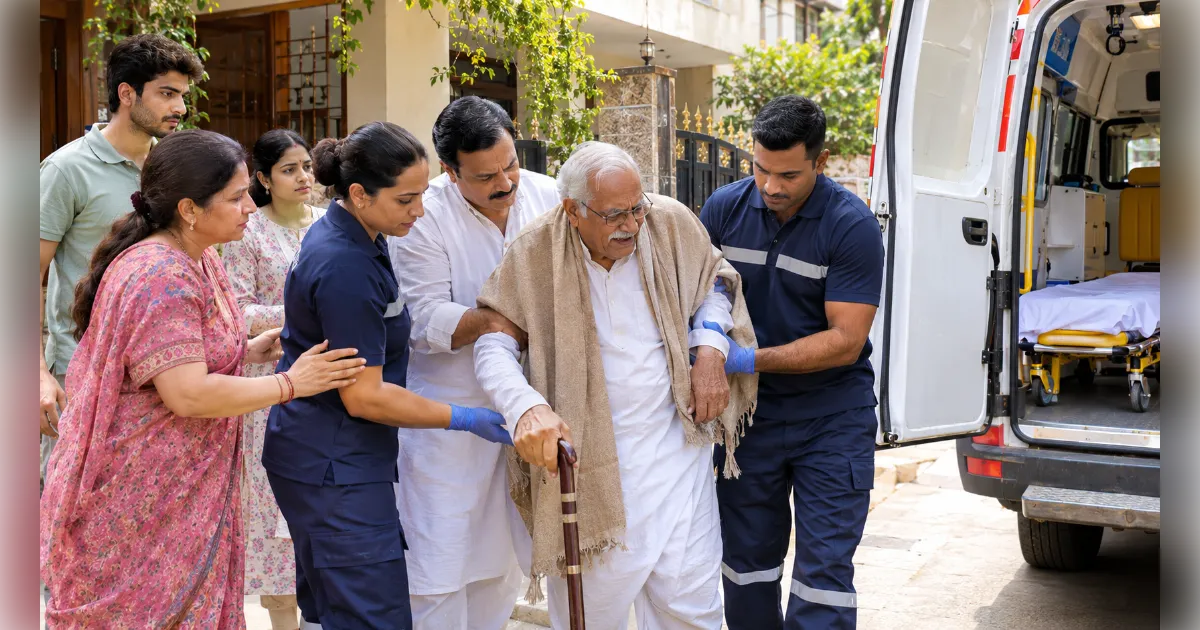
Every minute counts
A stroke happens when blood flow to part of the brain is blocked or a blood vessel bursts. Brain cells begin to die within minutes. For the common type caused by a clot, certain treatments work best when given within a few hours of symptoms starting, so recognising a stroke quickly can save life and prevent disability.
As with heart attack warning signs, the most important step is to reach a capable hospital fast.
Remember BE FAST
- B - Balance: sudden loss of balance or dizziness
- E - Eyes: sudden blurred or lost vision
- F - Face: one side of the face droops
- A - Arm: weakness or numbness in one arm or leg
- S - Speech: slurred or confused speech
- T - Time: call 108 or 112 immediately and note the time symptoms began
What to do and not do
Call an ambulance and go to a hospital with a CT scan facility and a stroke-ready team if possible. Keep the person lying on their side if drowsy or vomiting. Do not give anything to eat or drink, as swallowing may be affected, and do not give medicines on your own. Tell the doctor the exact time the symptoms started.
Lower your risk
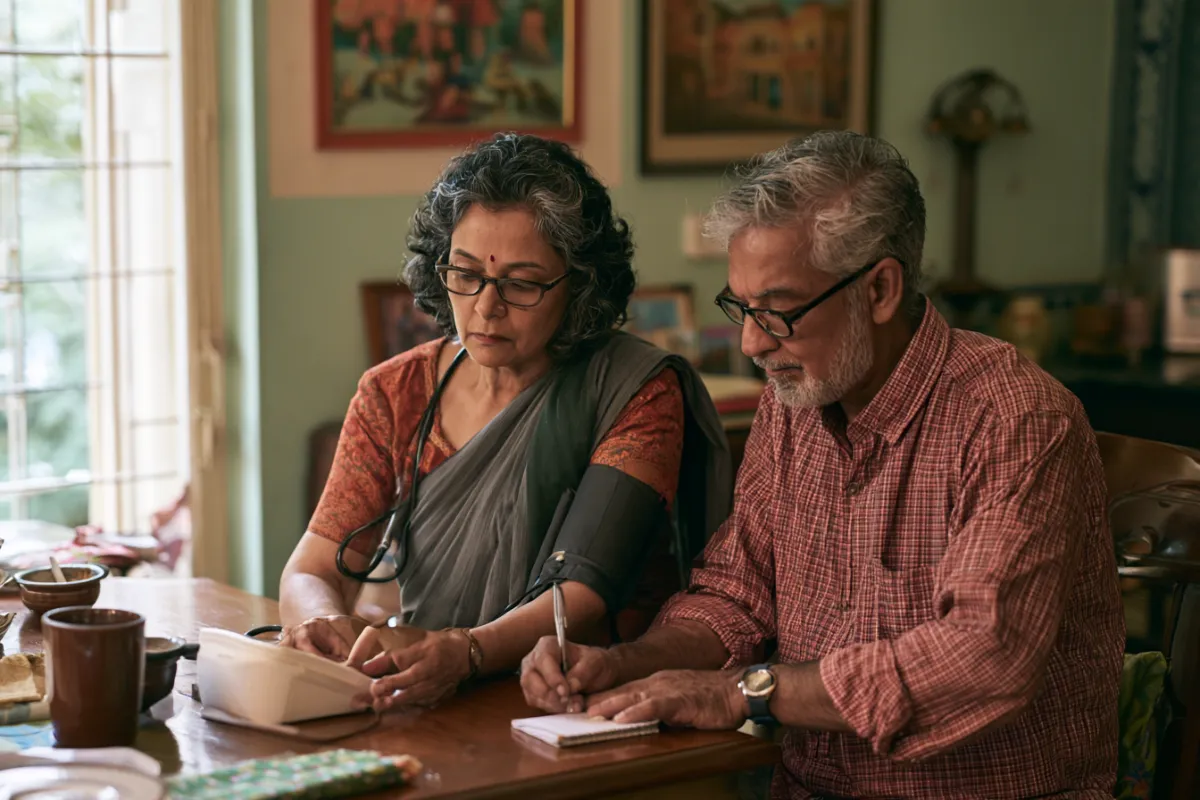
High blood pressure is the biggest controllable risk factor. Check it regularly, as explained in how to check blood pressure at home, and follow treatment. Control diabetes and cholesterol, stop smoking, limit alcohol, stay active and eat less salt.
ATTPL Healthcare
ATTPL Healthcare helps families in Jaipur find doctors, hospitals and home care support. Toll-free: 1800 890 0815. In an emergency, call 108 or 112.
Frequently asked questions
What if the symptoms go away in a few minutes?
It may be a mini-stroke (TIA), a warning of a future stroke. See a doctor urgently even if symptoms disappear.
Should I give aspirin at home?
No. Some strokes are caused by bleeding, so medicines should be given only after a doctor's assessment.
Which number should I call?
Call 108 for an ambulance or 112 for emergency help.
Sources and further reading
This article is for general awareness only and is not medical advice. In an emergency call 108 or 112 and follow trained responders.