Diagnostics
Urine Routine Test Explained: What Your Report Means
By ATTPL HEALTHCARE Editorial Team · · 3 min read
A simple guide to the urine routine and microscopy test: why it is ordered, how to give a clean sample and what pus cells, protein and sugar mean.
Why doctors order it
See also: Kidney Stones: Symptoms, Tests, Treatment Options and Prevention
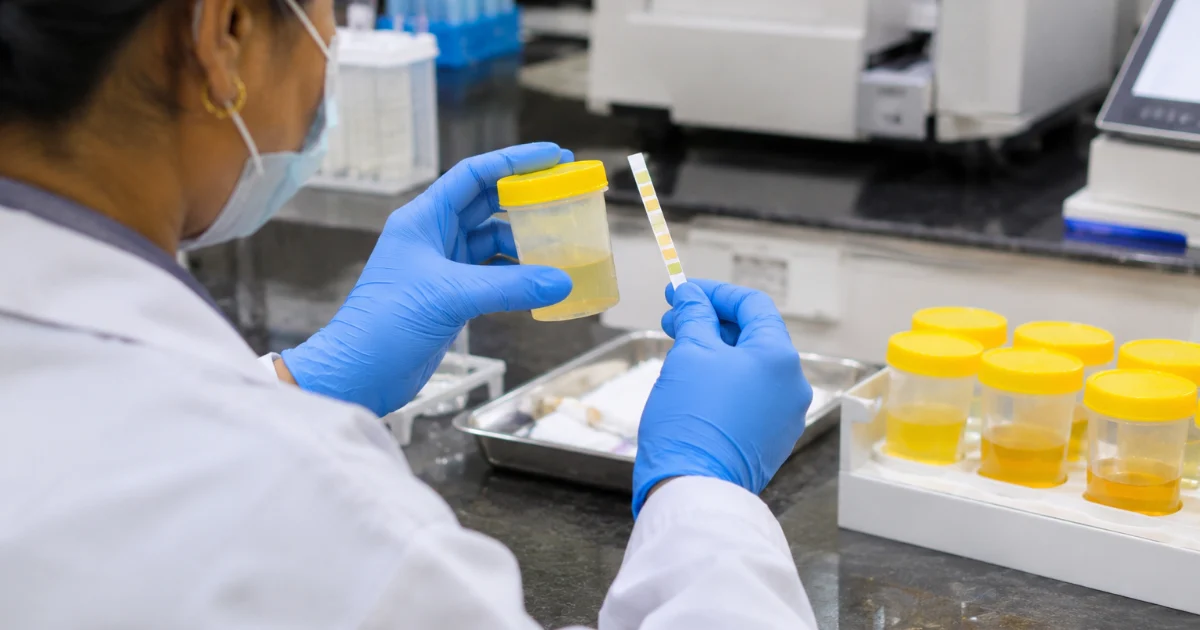
The urine routine and microscopy test is one of the most common and inexpensive tests in medicine. It gives doctors quick clues about infections, kidney health, diabetes and dehydration. Understanding the basic parts of the report helps you have a better conversation with your doctor — but interpretation should always be done by a qualified professional.
- Burning, frequent or painful urination.
- Fever without a clear cause.
- Routine health check-ups and pre-surgery tests.
- Monitoring diabetes, high blood pressure or kidney disease.
- Pregnancy check-ups.
How to give a good sample
A clean-catch midstream sample gives the most reliable result. Wash the genital area, pass the first part of the urine into the toilet, collect the middle part in the sterile container provided, and close it tightly. Deliver the sample to the lab quickly, ideally within an hour. Tell the lab if you are menstruating or taking medicines.
Physical and chemical examination
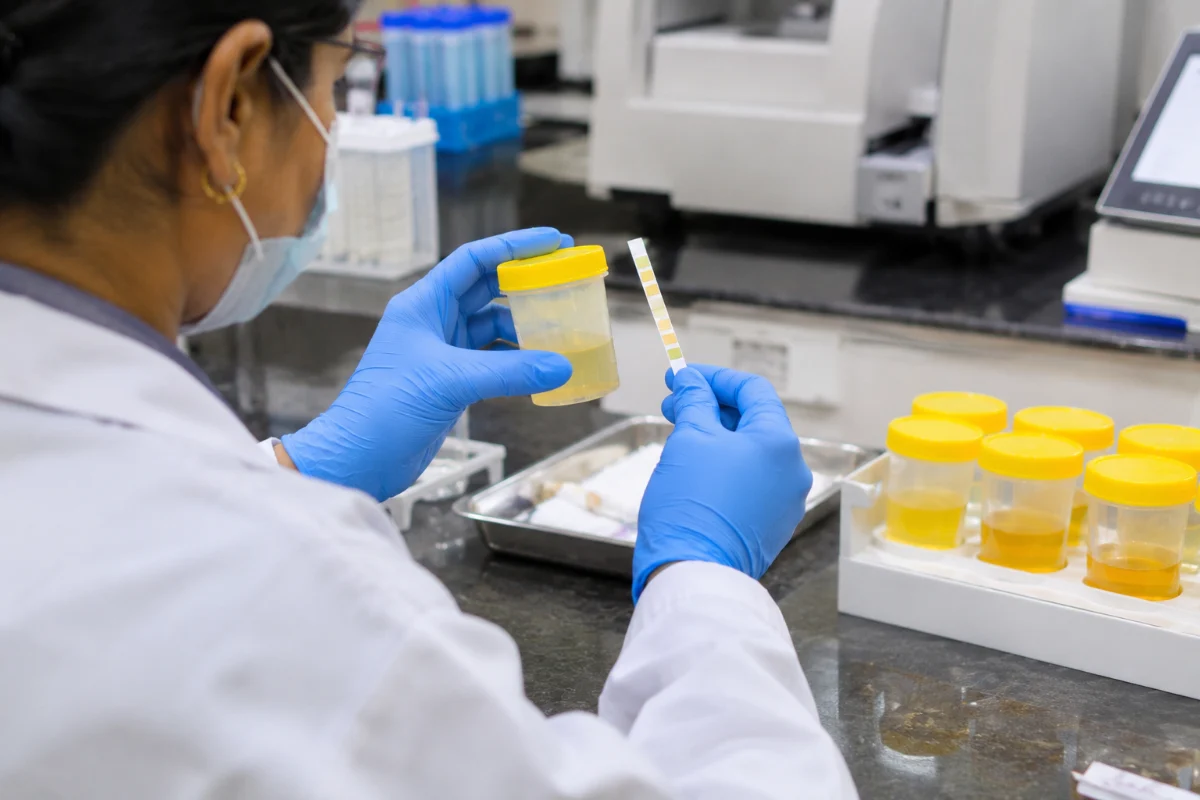
- Colour and appearance: cloudy urine may suggest infection or crystals.
- Specific gravity: indicates how concentrated the urine is.
- pH: acidity of urine.
- Protein (albumin): persistent protein may indicate kidney stress.
- Glucose (sugar): may suggest high blood sugar.
- Ketones: can appear in uncontrolled diabetes, fasting or illness.
- Bilirubin and urobilinogen: linked to liver function.
Microscopic examination
Under the microscope, the lab looks for pus cells (white blood cells), red blood cells, epithelial cells, casts, crystals and bacteria. Raised pus cells with symptoms often point towards a urinary tract infection, and the doctor may order a urine culture to identify the bacteria and the right antibiotic. Red blood cells can have many causes, including stones, infection or menstruation contamination.
When to see a doctor
Do not self-medicate based on a urine report. Antibiotics taken without proper advice can cause resistance. See a doctor if you have fever with back pain, blood in urine, swelling of feet or face, or repeated infections. People with diabetes should have their kidneys checked regularly; our guides to kidney function tests and diabetes check-ups explain related tests.
Urine tests in special situations
During pregnancy, urine tests are done regularly to check for protein, sugar and infection, because untreated urinary infections can affect both mother and baby. In children, a urine test may be ordered for fever without a clear cause or for bedwetting with other symptoms; collecting a clean sample from small children needs guidance from the lab or doctor. Older adults with confusion or sudden weakness are sometimes found to have a urinary infection, so a urine test is often part of their evaluation.
Common reasons for misleading results
- Sample contaminated during collection.
- Delay in reaching the lab, allowing bacteria to multiply.
- Menstruation or vaginal discharge mixing with the sample.
- Very concentrated urine after little water intake.
- Certain medicines or supplements affecting colour or chemical results.
If a result does not match your symptoms, your doctor may ask for a repeat sample collected carefully.
Reading the report sensibly
Lab reports usually show a "reference range" or "normal" column next to each result. A value slightly outside the range does not always mean disease, and a normal report does not rule out every problem. Doctors interpret urine results together with symptoms, examination and, when needed, blood tests or a culture. Keep your previous reports and bring them to appointments, because changes over time are often more meaningful than a single result.
Prevention tips
- Drink enough water, especially in Rajasthan summers.
- Do not hold urine for long periods.
- Maintain personal hygiene.
- Control blood sugar and blood pressure.
Preventive check-ups are explained in our age-wise check-up guide. Employers planning staff health camps can coordinate with ATTPL WorkforceOS for records, and health insurance options are explained by ATTPL Finance.
Frequently asked questions
Do I need to fast for a urine routine test?
Usually not, but follow the instructions of your doctor or lab.
What do pus cells in urine mean?
Raised pus cells, especially with symptoms, may suggest infection. Your doctor will decide if a culture or treatment is needed.
Can a urine test detect diabetes?
Sugar in urine can be a clue, but diabetes is diagnosed with blood tests such as fasting glucose and HbA1c.
Is the first morning sample better?
Doctors sometimes request a first morning sample because it is more concentrated; follow the instructions given for your test.
Sources and further reading
This article is for general awareness only and is not a substitute for medical advice. Discuss your report with a qualified doctor.